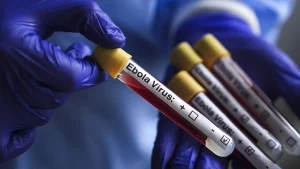



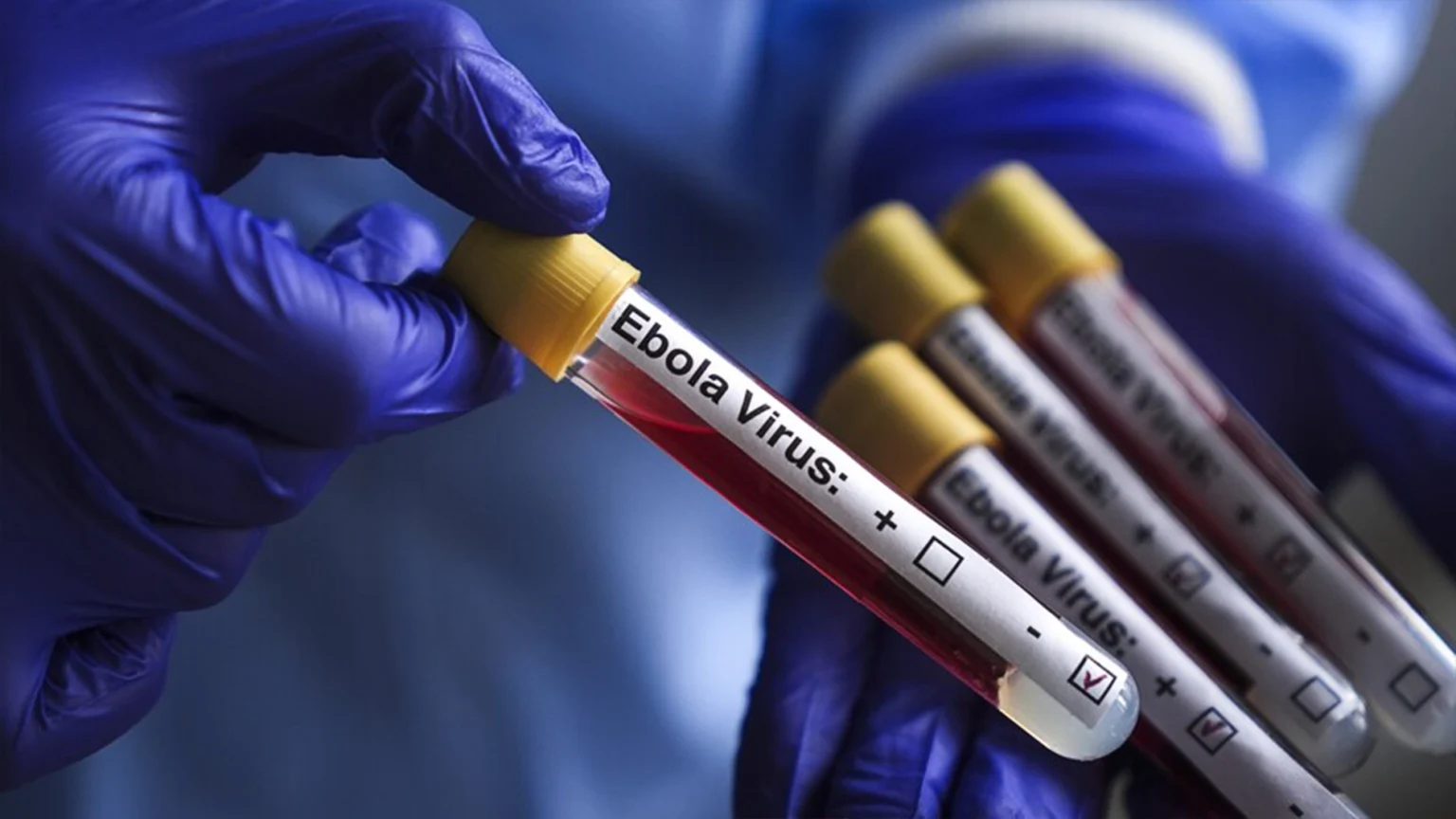
The Taraba state government has intensified disease surveillance and announced plans to introduce fever screening at the state’s airport following reports of an Ebola case in Abuja, as authorities move to strengthen preparedness and prevent a possible outbreak.
The measures, according to the state government, are aimed at enhancing early detection, improving emergency response and ensuring that healthcare facilities are prepared to respond to any suspected case of the disease.
The Commissioner for Health, Dr. Bordiya Gbansheya Buma, disclosed this on Monday in Jalingo while outlining the state’s response to the reported Ebola case and the need for heightened vigilance among health workers and residents.
Buma said the government was working in collaboration with the Federal Ministry of Health, the Nigeria Centre for Disease Control and Prevention (NCDC) and other relevant authorities to strengthen disease surveillance and improve the preparedness of healthcare facilities across the state.
“The government is working with the Federal Ministry of Health, the Nigeria Centre for Disease Control and Prevention, NCDC, and other relevant authorities to enhance disease surveillance and prepare healthcare facilities for possible cases,” he said.
As part of the preventive measures, the commissioner directed all public and private healthcare facilities in Taraba to remain vigilant and immediately report suspected Ebola cases to the Ministry of Health.
He also announced plans to train healthcare workers on the identification and management of suspected cases while intensifying public awareness campaigns to educate residents about the symptoms, transmission and prevention of the disease.
The proposed fever screening at the state’s airport is expected to form part of broader surveillance efforts to identify individuals who may require further medical assessment and help prevent the potential spread of the virus.
Buma urged residents to remain alert to symptoms associated with Ebola, including fever, severe weakness, headache, vomiting and diarrhoea, particularly where there has been a possible exposure to an infected person.
He advised anyone experiencing such symptoms after a possible exposure to seek prompt medical attention and provide relevant information to health officials to facilitate appropriate assessment and response.
The commissioner explained that Ebola is transmitted through direct contact with the blood or other body fluids of an infected person who is showing symptoms of the disease.
He therefore urged residents to maintain proper hand hygiene, avoid contact with the body fluids of suspected patients and promptly report suspected cases or possible exposure to the appropriate health authorities.
Beyond medical surveillance, Buma stressed the importance of responsible public communication, warning against the spread of rumours and misinformation that could cause unnecessary panic or undermine efforts to contain a potential outbreak.
He also cautioned against stigmatising individuals suspected of having the disease, emphasising the need for public cooperation and compassion while health authorities carry out their responsibilities.
The commissioner particularly called on residents to cooperate with health officials during contact-tracing exercises, which are essential for identifying people who may have been exposed to an infected person and determining whether further medical monitoring is necessary.
He assured residents that the state government was taking precautionary measures to strengthen its readiness while appealing for calm and vigilance.
Buma urged the public to adhere strictly to official health advisories and rely on information from recognised health authorities rather than unverified reports circulating through social media and other channels.
For residents seeking reliable information about Ebola or wishing to report suspected cases, the commissioner provided the NCDC’s toll-free line, 6232, which he said operates 24 hours daily.
As Taraba steps up its preparedness measures, the effectiveness of the response will depend not only on surveillance and the readiness of healthcare facilities but also on timely reporting, public awareness and cooperation between residents and health authorities.
The state government’s appeal is for residents to remain vigilant without panicking, as health officials strengthen monitoring and prepare to respond promptly to any suspected case.