



Away from tournaments when he is not busy snacking on carrots, Italian tennis star Jannik Sinner balances lean proteins, vegetables and whole grains with occasional treats such as pizza, sushi and his grandmother’s Milanese cutlet
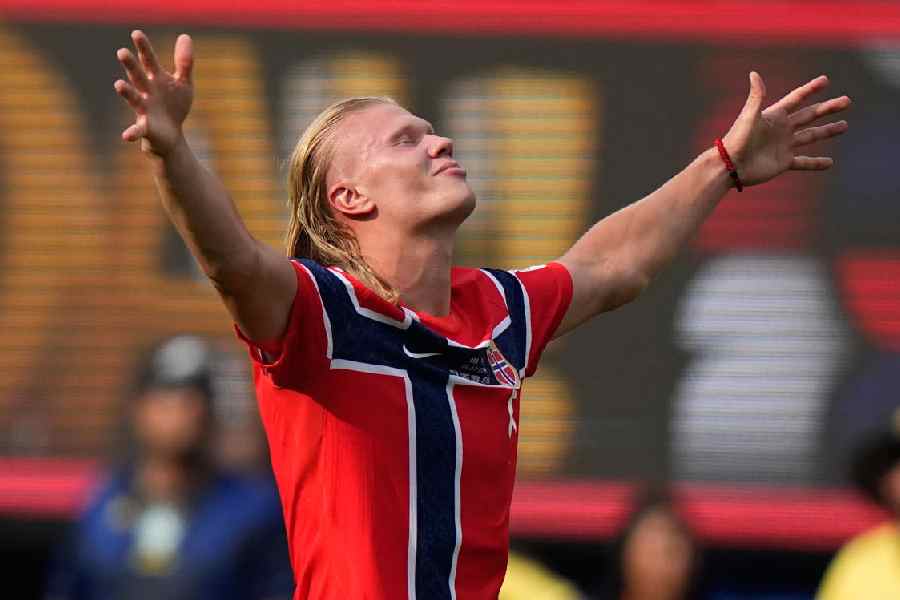
orway’s Erling Haaland (9) celebrates scoring his side’s second goal during the World Cup round of 16 soccer match between Brazil and Norway in East Rutherford, N.J., near New York, Sunday, July 5, 2026.(AP/PTI)
Norwegian footballer Erling Haaland’s diet has resurfaced on social media, once again leaving people stunned.
Cow hearts, liver and a reported 6,000 calories a day may sound like something from a Viking saga, but as the internet marvelled at his “nose-to-tail” eating habits, one fact stood out: Haaland isn’t even the most extreme eater in elite sport.
Olympic swimming legend Michael Phelps reportedly consumed around 10,000 calories a day at the peak of his training. Baseball superstar Shohei Ohtani is said to eat up to 20 eggs daily, while Tour de France champion Tadej Pogačar powers through mountain stages by consuming staggering amounts of carbohydrates.
Here’s a look at the diets of a few of the top athletes in world sport.
Erling Haaland: The Viking menu
Haaland’s reported 6,000-calorie diet has fascinated fans ever since documentaries revealed his preference for organ meats.
The Norwegian striker reportedly eats cow hearts and liver alongside sea bass, egg-fried rice, asparagus and generous amounts of raw honey, believing nutrient-rich whole foods help fuel his explosive style of play.
It is unusual enough to dominate social media every time it resurfaces. Yet, in terms of sheer quantity, several athletes comfortably surpass him.
Michael Phelps: The king of calorie consumption
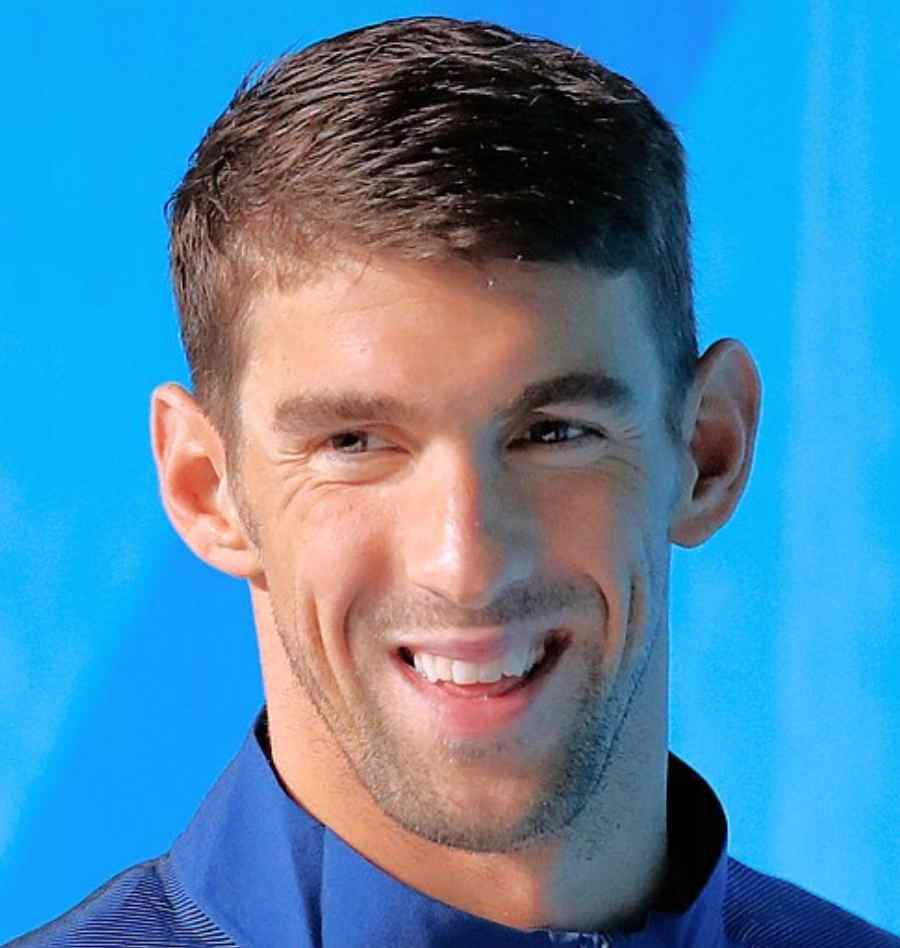
Michael Phelps(Wikipedia)
If Haaland’s diet surprised football fans, Michael Phelps rewrote the rulebook.
At the height of his Olympic career, the swimming legend reportedly consumed around 10,000 calories a day.
Breakfast alone reportedly included fried egg sandwiches, a five-egg omelette, pancakes, French toast, grits and coffee. Lunch featured huge portions of pasta and ham sandwiches before another carbohydrate-heavy dinner of pizza and more pasta.
For Phelps, eating was as much a part of training as swimming.
Shohei Ohtani: The 20-egg routine

Los Angeles Dodgers designated hitter Shohei Ohtani (17) runs after hitting a single during the fourth inning against the Arizona Diamondbacks at Dodger Stadium on July 11, 2026.(Reuters)
Los Angeles Dodgers superstar Shohei Ohtani reportedly eats 15 to 20 eggs a day, spread across four or five meals.
His diet centres on eggs, chicken breast, rice, oats and sweet potatoes, helping him recover from the demands of excelling as both a pitcher and a hitter.
Tadej Pogačar: Cycling’s carbohydrate machine
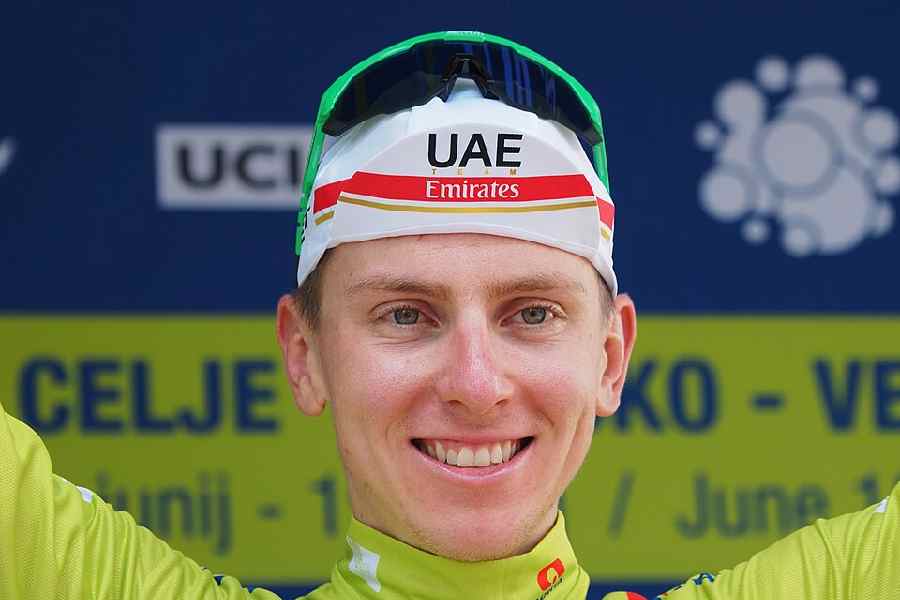
Tadej Pogačar(Wikipedia)
Tour de France mountain stages can leave riders burning close to 6,000 calories in a single day.
To keep pace, Pogačar reportedly consumes more than a kilogram of carbohydrates alongside around 150 grams of protein, turning food into fuel almost as important as the bicycle itself.
Léon Marchand: Swimming’s next 10,000-calorie athlete
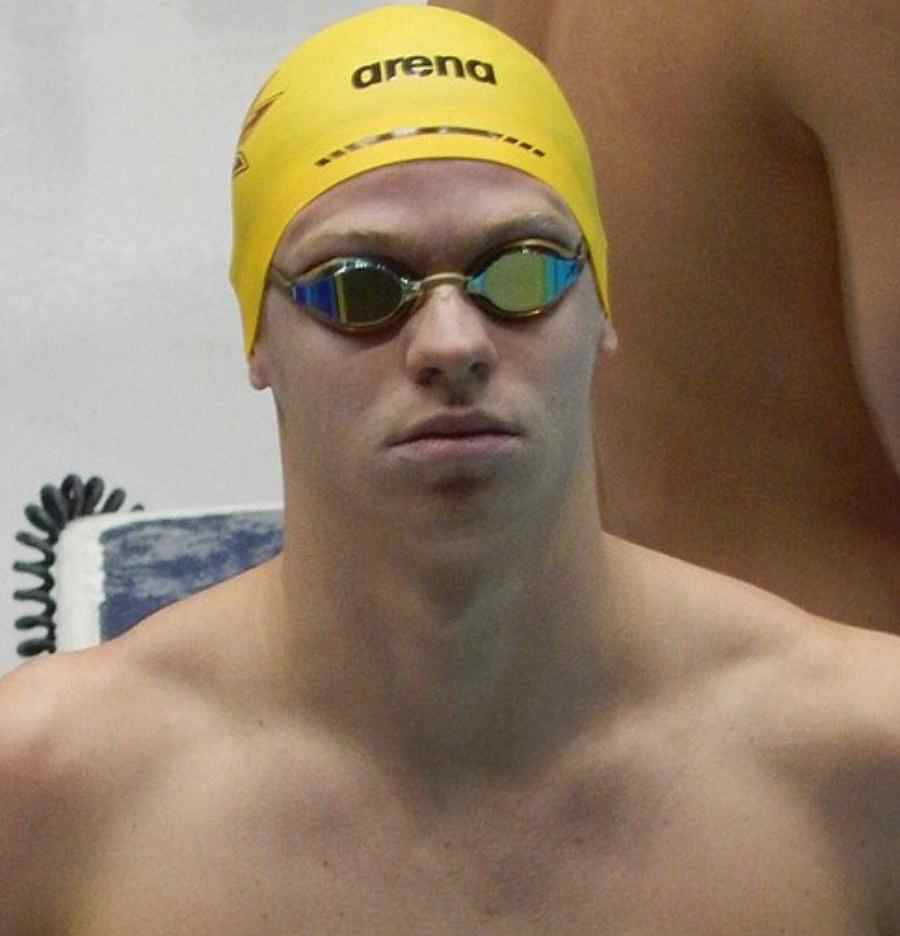
Léon Marchand(Wikipedia)
French Olympic champion Léon Marchand follows a demanding nutrition plan under coach Bob Bowman.
Reports suggest he consumes up to 10,000 calories spread across five carefully timed meals to support gruelling training sessions in the pool.
Usain Bolt: The chicken nugget legend
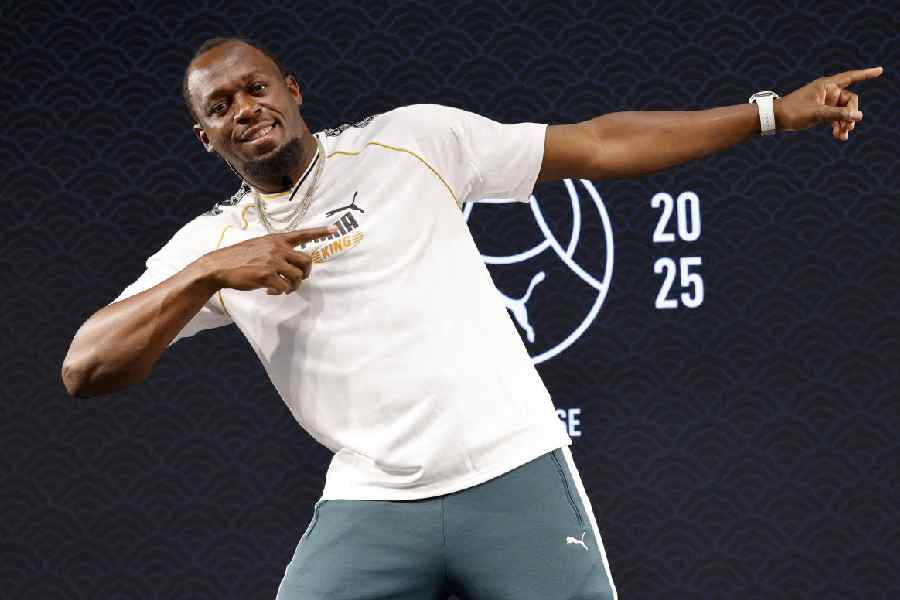
Usain Bolt and Armand Duplantis during a Puma event in Tokyo ahead of the World Athletics Championships – Tokyo, Japan – September 11, 2025. (Reuters)
One of the most famous Olympic food stories belongs to Usain Bolt.
During the 2008 Beijing Olympics, the Jamaican sprint icon reportedly ate close to 1,000 chicken nuggets, preferring familiar fast food over unfamiliar local cuisine.
Away from that memorable fortnight, his regular diet centred on pasta, fish, chicken, yams and other carbohydrate-rich meals.
But not every elite athlete relies on massive calorie intake.
Novak Djokovic: Proof that more isn’t always better
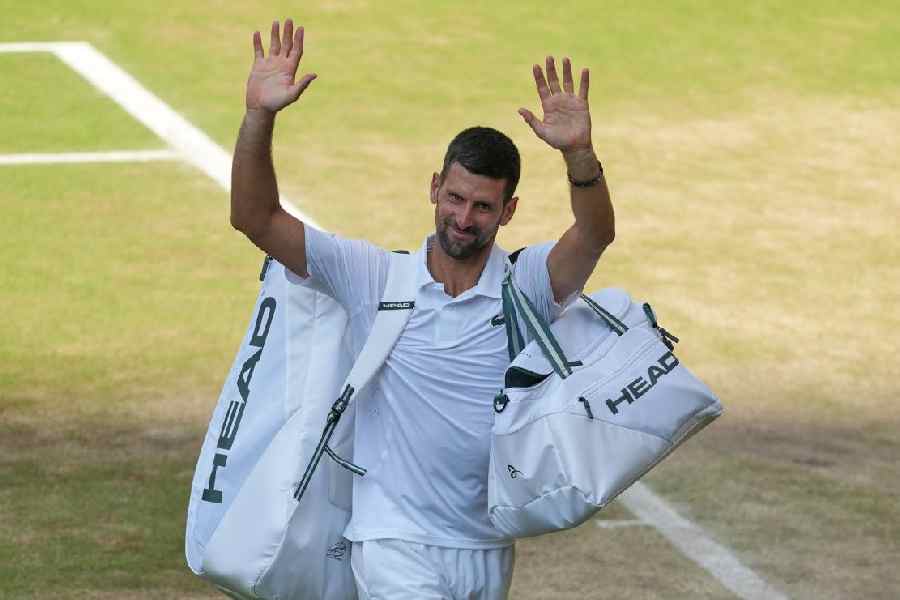
Novak Djokovic of Serbia waves to the crowd as he walks off Centre Court after loosing to Jannik Sinner of Italy in their men’s singles semifinal match at the Wimbledon Tennis Championships in London, Friday, July 10, 2026.(AP/PTI)
Djokovic famously switched to a gluten- and dairy-free diet after saying it improved his energy levels and recovery.
Today, the 24-time Grand Slam champion’s meals revolve around vegetables, beans, fish, lean meat, nuts, seeds and gluten-free grains, while sugar is kept to a minimum.
Jannik Sinner: The carrot ambassador
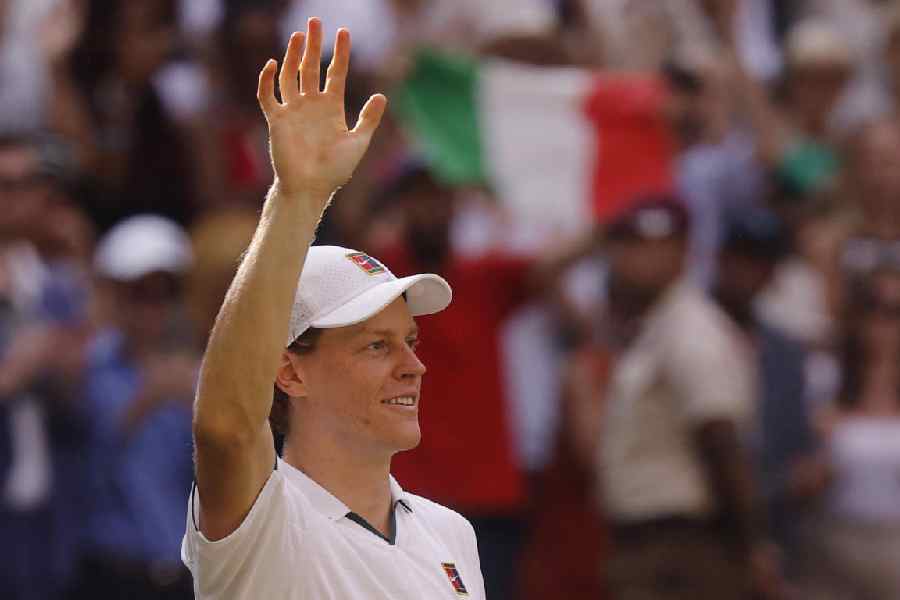
Italy’s Jannik Sinner celebrates after defeating Serbia’s Novak Djokovic in the Wimbledon 2026 men’s singles semi-final in London on July 10, 2026.(Reuters)
Italian tennis star Jannik Sinner has become synonymous with one unlikely courtside snack- carrots.
The habit even inspired a group of fans dressed as giant carrots, now known as the “Carrot Boys”.
Away from tournaments, Sinner balances lean proteins, vegetables and whole grains with occasional treats such as pizza, sushi and his grandmother’s Milanese cutlet.
Max Verstappen: The champion who hates the gym
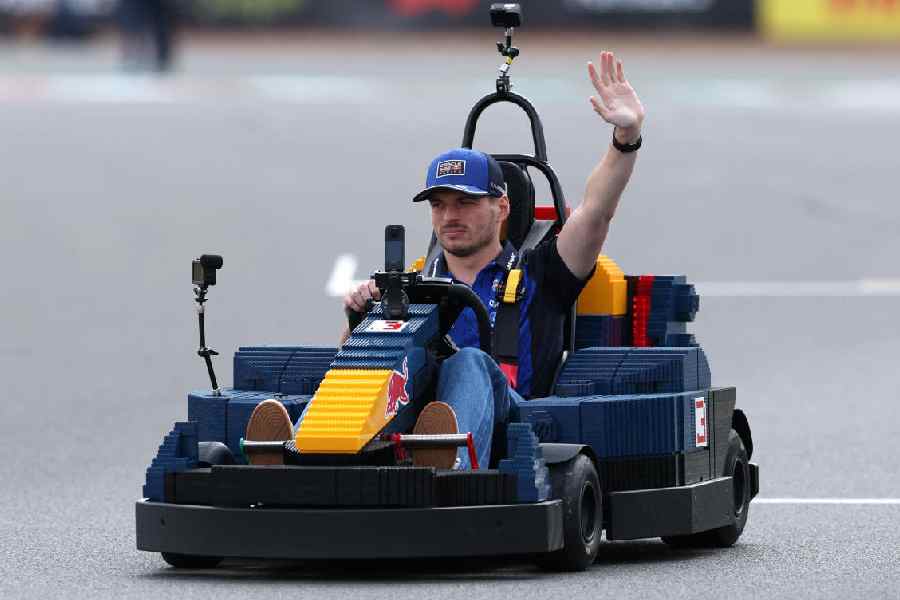
Red Bull’s Max Verstappen sits in a full-size Formula One car made entirely of Lego bricks ahead of the British Grand Prix at Silverstone on July 5, 2026.(Reuters)
Unlike many elite athletes, Verstappen has openly admitted he does not enjoy working out.
The four-time Formula One world champion prefers training at home, pays little attention to fitness trackers and enjoys good food when possible.
The challenge comes from Formula One’s strict weight limits, forcing him to carefully manage his body weight throughout the season.
Connor McDavid: Surprisingly simple

Connor McDavid(Wikipedia)
Compared with Haaland’s organ meats or Ohtani’s mountain of eggs, NHL superstar Connor McDavid keeps things refreshingly simple.
His routine typically includes eggs for breakfast, chicken with rice or quinoa for lunch, and steak or salmon for dinner, with berries, trail mix and protein shakes in between.
Perhaps every one of these meal plans should carry a health warning. If you think eating like Haaland or Phelps is the shortcut to six-pack abs, think again. These diets fuel athletes who burn thousands of calories every day—not someone whose most intense cardio is sprinting towards a closing lift before work.