



Countries across Africa and Asia have renewed calls for a fairer global tax system, urging reforms that would give developing economies a stronger voice in shaping international tax rules and tackling tax avoidance.
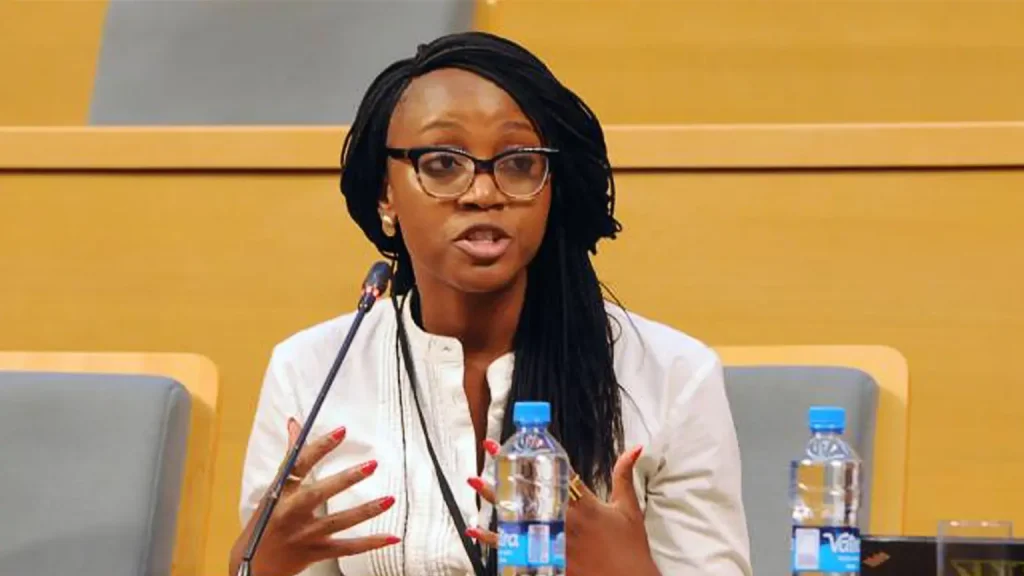
Executive Director, Tax Justice Network Africa, Chenai Mukumba
Developing countries are intensifying calls for an overhaul of the global tax system, arguing that unfair international tax rules continue to deprive them of billions of dollars needed to fund public services, strengthen economies and tackle the escalating climate crisis.
This was during an online media briefing ahead of the fifth negotiating session of the United Nations Framework Convention on International Tax Cooperation, scheduled for August 3 to 13 at the UN Headquarters in New York, where governments are expected to negotiate a framework aimed at creating a more inclusive and equitable international tax system.
Speaking during a media briefing organised by the Global Alliance for Tax Justice, advocates from Africa, Asia, Europe and Latin America said the current international tax architecture disproportionately benefits wealthy nations and multinational corporations while limiting the ability of developing countries to raise domestic revenue.
The Executive Director, Tax Justice Network Africa, Chenai Mukumba, described the negotiations as a defining moment for African countries seeking greater economic independence.
According to her, the continent’s labour, natural resources and markets have generated enormous wealth over the years, yet existing international tax rules have denied African countries a fair share of taxing rights over income generated from those activities. She said the negotiations represented an opportunity to advance Africa’s economic sovereignty beyond political independence.
Director, Monitoring Sustainability of Globalisation and member of Tax and Fiscal Justice Asia, Charles Santiago, warned that countries should not accept an agreement that merely changed the language of the current tax system without addressing its structural inequities.
Echoing similar concerns, Coordinator, Red Justicia Fiscal de América Latinay El Caribe, Adrian Falco, said countries in Latin America and the Caribbean were demanding tax justice rather than charity. He noted that when wealthy individuals and multinational corporations fail to pay their fair share of taxes, governments become weaker and citizens’ fundamental rights increasingly depend on their ability to pay for essential services.
Tax Coordinator, European Network on Debt and Development (Eurodad), Tove Maria Ryding, said the proposed UN convention should replace the existing international tax framework with a fairer and more effective system instead of making superficial reforms.
Co-coordinator of Tax and Fiscal Justice Asia, Jeannie Manipon, said governments frequently cite a lack of funding for climate finance despite the enormous profits generated by multinational corporations. She pointed to research by the Global Alliance for Tax Justice and Eurodad estimating that a 20 per cent surtax on the profits of the world’s 100 largest oil and gas companies between 2022 and 2024 could have generated billions of dollars yearly.