



India’s central bank has left its benchmark interest rate unchanged at 5.25 per cent as policymakers assess the economic impact of ongoing tensions in the Middle East, following a unanimous decision by its six-member monetary policy committee.
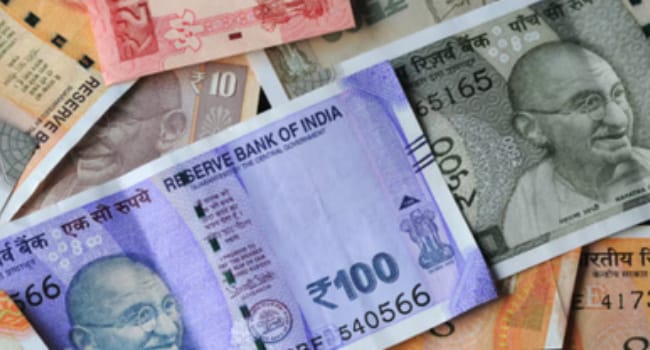
India’s central bank kept interest rates unchanged on Wednesday as it waits to see whether volatile oil prices caused by the Iran war feed wider inflationary pressures.
The Reserve Bank of India (RBI) said the benchmark repurchase rate, the level at which it lends to commercial banks, would remain at 5.25 per cent after a unanimous vote by a six-member panel.
Emerging and frontier market central banks from Indonesia to Sri Lanka have raised rates to curb price rises and boost their currencies since the outbreak of the Middle East crisis in February.
Limited and staggered fuel price hikes by the Indian government have so far shielded citizens from the worst of the war’s economic impact, but there are signs that this may not hold.
Retail inflation rose to 4.4 percent in June — breaching the central bank’s medium target of four percent for the first time in 17 months — though it remains within RBI’s 2-6 percent tolerance band.
Bank governor Sanjay Malhotra said economic growth was supported by “resilient domestic demand” and inflation was not “broad-based” yet.
“The MPC (Monetary Policy Committee) noted that even though headline inflation is projected to increase, it is primarily on account of supply side pressures caused by food and fuel. It is not getting broad-based,” Malhotra said in a televised address from the financial capital Mumbai.
“There is a need for greater clarity to emerge, especially regarding inflation, its path and composition before taking any policy action.”
Adding to the central bank’s calculations is pressure on the Indian rupee, which slid to a record low before the RBI’s June policy meeting.
Instead of raising rates, the RBI chose to announce a range of moves aimed at wooing dollar inflows, including a deposit scheme for non-resident Indians.
While the measures helped stop the rupee’s losses, the currency has faced fresh challenges.
India, the world’s third-largest buyer of oil, normally sources about half of its crude through the Strait of Hormuz, which has been effectively closed since the beginning of the Middle East conflict on February 28.
Analysts say this makes New Delhi among the most vulnerable economies to a global energy shock, as higher crude and fertiliser prices drive up India’s import bill.