


Campaigning for Nigeria’s 2027 presidential and National Assembly elections officially begins today, August 19, setting the stage for a five-month political battle expected to be shaped largely by the economy, cost of living, insecurity and President Bola Ahmed Tinubu’s record in office.
The presidential and National Assembly elections are scheduled for January 16, 2027, with the governorship and State House of Assembly elections to follow on February 6. The Independent National Electoral Commission (INEC) fixed August 19 as the start of campaigns for the presidential and federal legislative elections.
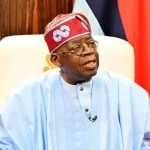
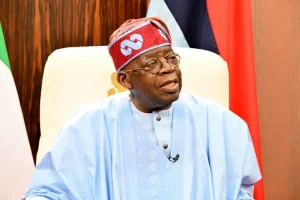
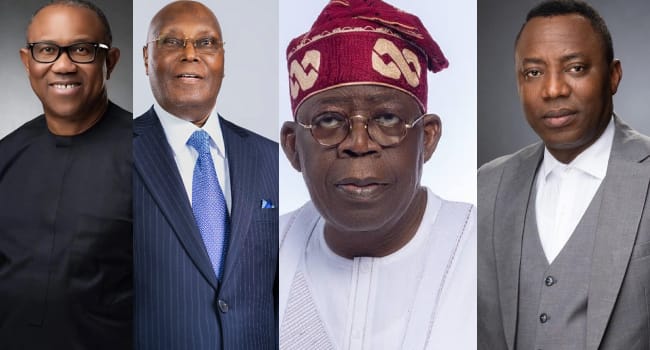
The election will partly be a rematch of the 2023 presidential contest, with Tinubu seeking a second term against former Vice President Atiku Abubakar, former Anambra State Governor Peter Obi and other contenders.
Tinubu won the 2023 election with 36.6 per cent of the vote, while Atiku secured 29 per cent and Obi 25 per cent. For 2027, however, the political landscape has shifted, with Obi and former Kano State Governor Rabiu Kwankwaso now aligned, with Kwankwaso expected to serve as Obi’s running mate.
Economy, Cost of Living Take Centre Stage
Economic hardship is expected to be one of the defining issues of the campaign.
reports shows that Tinubu’s administration has implemented major economic reforms, including the removal of the petrol subsidy and significant changes to the foreign-exchange system. While the reforms have been welcomed by economists and investors for addressing longstanding structural problems, they have also contributed to severe pressure on household incomes and living costs.
Inflation, which rose sharply during the adjustment period, has since moderated, with headline inflation reported at 15.4 per cent in July. However, millions of Nigerians continue to face high food, transportation and other living costs.
The economic question is therefore expected to be central to Tinubu’s campaign: whether his reforms are beginning to produce sustainable improvements or whether Nigerians remain worse off because of the immediate hardship associated with them.
Another similar reports say that Tinubu’s economic reforms have attracted international investor interest but have also generated widespread dissatisfaction over the cost of living, making the gap between improving economic indicators and household experiences a major issue in the election.
Security Another Major Election Issue
Security is also expected to feature prominently as Nigerians prepare to vote.
The country continues to face attacks by insurgents, bandit groups and kidnappers, alongside farmer-herder conflicts and separatist violence in parts of the country.
A report shows conflict analyst Ladd Serwat of the Armed Conflict Location & Event Data Project (ACLED) as saying violence has increased since 2024, particularly because of the spread and intensification of armed banditry across northern and central Nigeria and continuing conflict in Borno State.
For many voters, the security situation is closely connected to the economy because insecurity affects farming, transportation, businesses and the ability of families to move freely.
Opposition Division Could Help Tinubu
Although the opposition parties are presenting themselves as alternatives to the ruling All Progressives Congress (APC), their ability to maintain a united front could be crucial to treports that the opposition remains divided and has been affected by internal and legal disputes, potentially making it more difficult for the parties to clearly distinguish their programmes from Tinubu’s policies.
Tinubu enters the campaign with significant political advantages. His APC controls the National Assembly and 31 of Nigeria’s 36 governorships, giving the ruling party a formidable nationwide political structure.
The opposition, however, is banking on widespread dissatisfaction over economic hardship and insecurity to build momentum against the incumbent.
Peace Accord Signed Ahead of Campaigns
The formal opening of campaigns comes a day after political actors signed the National Peace Accord in Abuja.
Tinubu, Obi, Omoyele Sowore, Donald Duke and representatives of other presidential candidates, political parties and candidates for legislative and governorship positions participated in the exercise organised by the National Peace Committee.
INEC Chairman Joash Amupitan, Secretary to the Government of the Federation George Akume, political party leaders and other senior political figures also attended the event.
Obi used the occasion to call for a credible and violence-free election, urging Nigerians not to vote for candidates or parties that violate the principles of the peace accord.
President Tinubu, who was represented at the ceremony by Akume, praised the National Peace Committee for its role in promoting peaceful elections and pointed to recent off-cycle elections as evidence of improvements in Nigeria’s electoral process.
He cited the use of the Bimodal Voter Accreditation System (BVAS), arguing that technological improvements have reduced electoral malpractice and strengthened the ability of voters to determine election outcomes.
Voter Turnout Could Be Decisive
Another major concern is whether Nigerians will turn out in large numbers to vote.
With the campaign season now officially open, the competing parties will begin intensifying their nationwide mobilisation and presenting their records, policies and promises to voters.
For Tinubu, the election will be a test of whether Nigerians are willing to support his economic reforms despite the hardship experienced during his first term. For Atiku, Obi and other opposition candidates, the contest offers an opportunity to turn public frustration over living costs, insecurity and governance into electoral support.
The 2027 presidential election is therefore shaping up as a contest not only between familiar political rivals, but also over the direction of Nigeria’s economy, security and governance for the next four years.