


The commission chairman also said INEC would require about 1.4 million ad-hoc personnel to conduct the 2027 elections across more than 176,000 polling units nationwide.
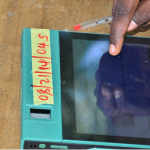
The Independent National Electoral Commission is set to carry out a nationwide mock accreditation drill next November, a dry run ahead of the 2027 General Election.
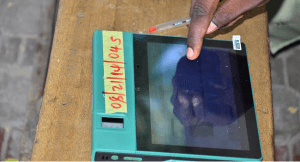
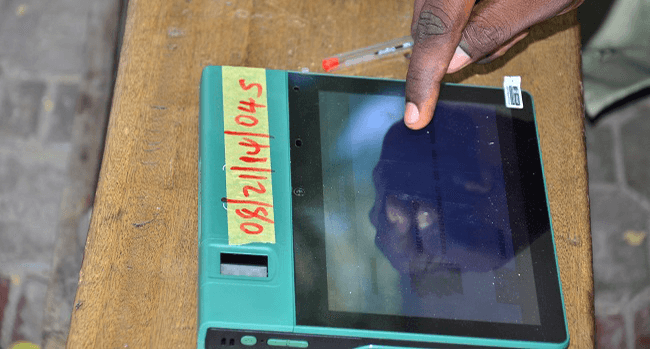
The exercise will put the Bimodal Voter Accreditation System and other electoral hardware through their paces, giving the Commission a chance to spot and fix operational glitches before election day proper.
INEC Chairman Joash Amupitan revealed the plan while hosting a delegation from the Canadian High Commission at the Commission’s Abuja headquarters. He listed the mock exercise as one of five strategic priorities guiding INEC toward 2027: consolidating the gains made in election technology, deepening electoral inclusivity, strengthening institutional capacity and technical support, countering misinformation and safeguarding electoral integrity, and running the nationwide mock accreditation exercise itself.
He also disclosed that INEC expects to deploy roughly 1.4 million ad-hoc staff to run the 2027 polls across more than 176,000 polling units nationwide, and confirmed that campaigns and rallies for the general election officially opened on August 19, 2026.
Amupitan pointed to the Commission’s recent run of off-cycle elections — in Anambra, the FCT Area Councils, Ekiti and, most recently, Osun State on August 15 — as proving grounds it has used to stress-test reforms before the bigger contest.
The November drill builds directly on lessons from that August 1 Osun mock accreditation exercise, where BVAS devices initially failed to recognise facial images on older Permanent Voter Cards issued in 2011 — a problem Amupitan said was identified and resolved on the spot before election day, preventing possible voter disenfranchisement.
He noted the exercise also showed accreditation taking between 30 seconds and two minutes per voter via fingerprint or facial recognition, and prompted INEC to boost its stock of backup BVAS units assigned to dedicated technical engineers in every ward.
The November exercise is separate from an even bigger idea INEC floated in July: a full audit of its electoral technology systems paired with a mock presidential election, disclosed by Amupitan during a courtesy visit from British High Commissioner Richard Montgomery.
He said both proposals were driven by concerns over technology reliability that surfaced during the 2023 general election, and though neither was originally budgeted for, the Commission said it would find a way to fund them given their value for electoral credibility.
Those plans tie into wider technology efforts already underway, including continued use of the INEC Result Viewing Portal and an ongoing review of INEC’s cybersecurity architecture covering system redundancy, penetration testing and disaster recovery.
INEC has already locked in the 2027 election calendar: Presidential and National Assembly polls on January 16, 2027, followed by Governorship and State Houses of Assembly elections on February 6, 2027.