


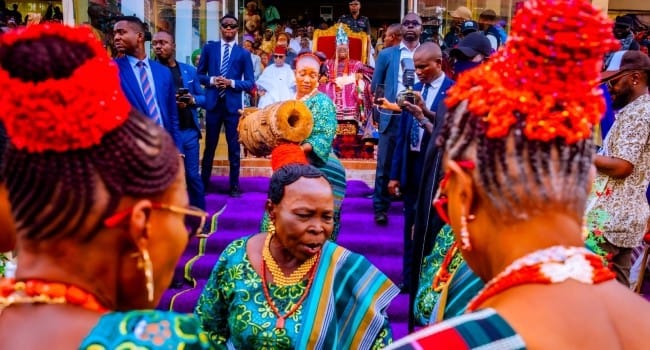
The Udiroko festival starts across households as families feast on pounded yam, egusi soup, and emu aroso (undiluted palm wine).
Ado-Ekiti, the Ekiti State capital, came alive this week as sons and daughters of the ancient town, both at home and in the diaspora, gathered to mark the 2026 edition of the Udiroko Festival, the community’s traditional New Year celebration themed “Udiroko as the Signpost of Our History, Tradition and Cultural Values.”
The festival, held at the palace of the Ewi of Ado-Ekiti, Oba Rufus Adeyemo Adejugbe, traces its roots to around 1300AD, when the first Ewi left Ile-Ife with his brother before a later Ewi established the Kingdom of Ado-Ekiti by conquest. Its name derives from the Yoruba expression for “under the iroko tree,” the spot that served as the first meeting ground of the Ado people.
Marking the first day of the traditional Ado-Ekiti calendar, the celebration doubles as a day of thanksgiving to “Abarisa,” the Almighty, for preservation through the past year, and an occasion for prayers for peace and progress in the year ahead.
Across households in the town, families mark the day with feasting on pounded yam, egusi soup, and emu aroso, undiluted palm wine, alongside dancing and merrymaking that spreads throughout the length and breadth of the kingdom.
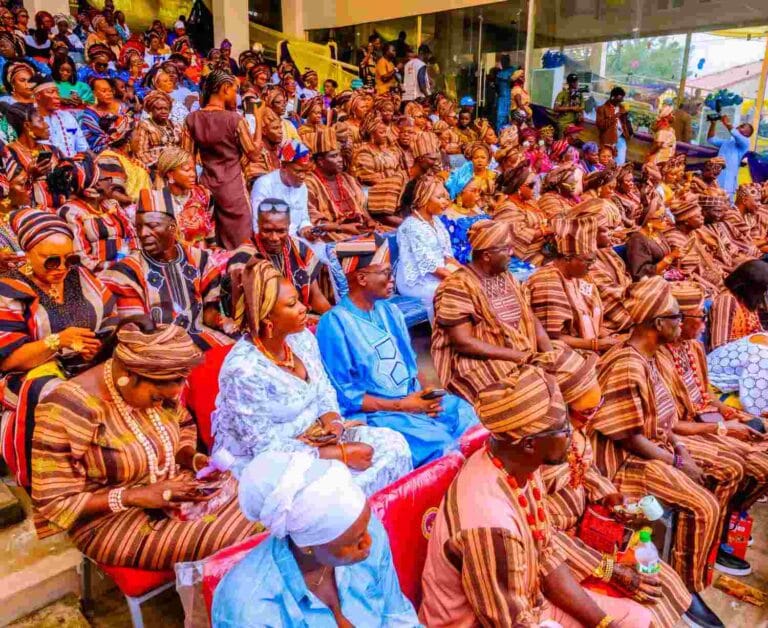
The festival dates back hundreds of years. Photo: Instagram@biodunaoyebanji/
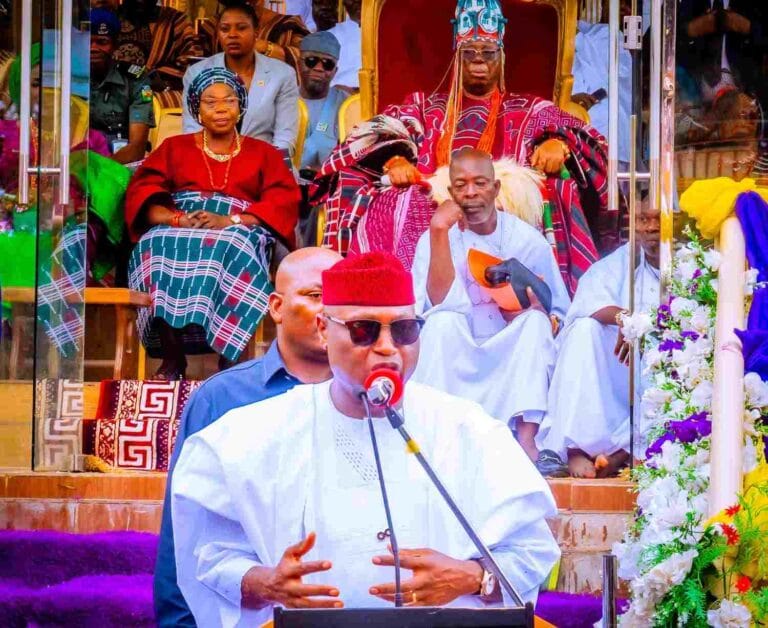
Governor Biodun Oyebanji of Ekiti State. Photo: Instagram@biodunaoyebanji/
Speaking at the event, Governor Biodun Oyebanji said the festival had outgrown its status as a purely local celebration.
“This Udiroko Festival is no longer just an annual festival for Ado-Ekiti but an Ekiti festival; it has become an iconic festival,” Oyebanji said, describing it as an important symbol of the identity and heritage of Ado-Ekiti. He urged the festival’s planning committee and other stakeholders to deliberately reposition the event into a major tourism and economic driver while preserving its historical significance, cultural values and traditions, pledging that his administration would work with the traditional ruler and organisers toward that goal.
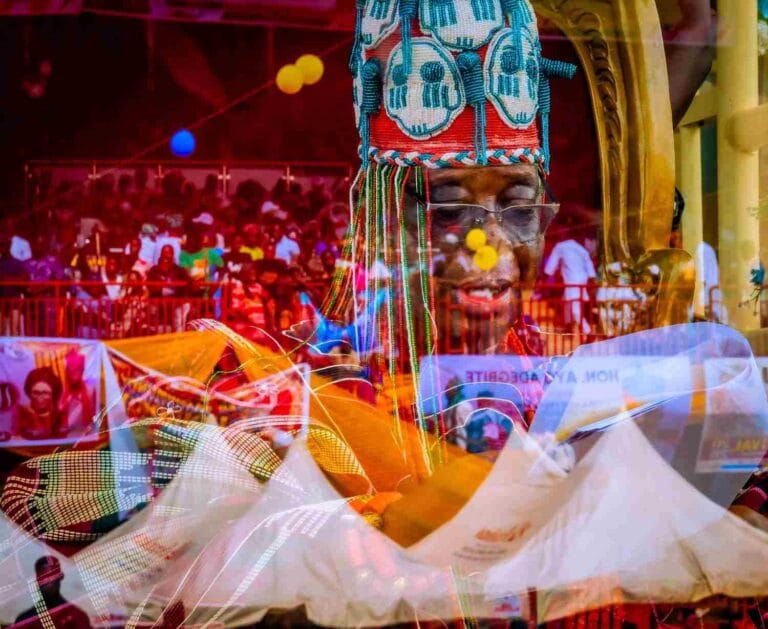
For his part, Oba Adejugbe described the Udiroko Festival as a vital piece of Ado-Ekiti’s cultural heritage and called for its preservation and promotion for future generations.
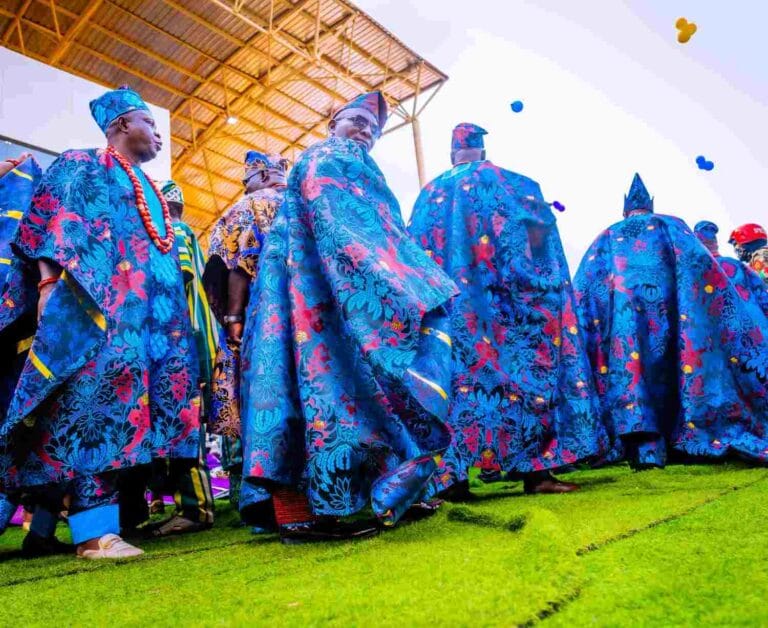
The monarch commended residents for sustaining the annual celebration, saying it continues to promote unity, cultural values and peaceful coexistence among the people. He also thanked Governor Oyebanji for his administration’s support for the festival and other development initiatives, including the expansion of tarred roads across Ado-Ekiti, and congratulated the governor on his re-election, describing the victory as a “well-deserved endorsement” of his administration’s performance.
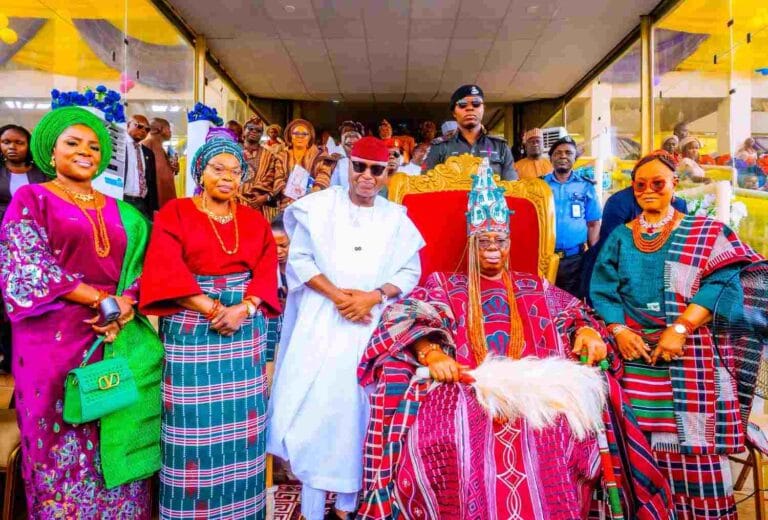
Beyond the celebration itself, Oba Adejugbe used the platform to raise a pressing national concern, calling on security agencies at all levels to intensify efforts to protect Nigerians against insecurity. He urged authorities to deploy technology and more sophisticated strategies in tackling banditry and terrorism across the country.
The Udiroko Festival has grown steadily as a cultural touchstone beyond Ekiti State’s borders in recent years, drawing political dignitaries and well-wishers from across Nigeria and cementing its place as a unifying gathering for the Ado-Ekiti people, wherever they call home.