


Nigerians seeking US immigrant visas have received a reprieve after a US judge struck down a policy that had suspended processing for nationals of 75 countries, including Nigeria, although the ruling could still face an appeal.
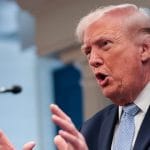
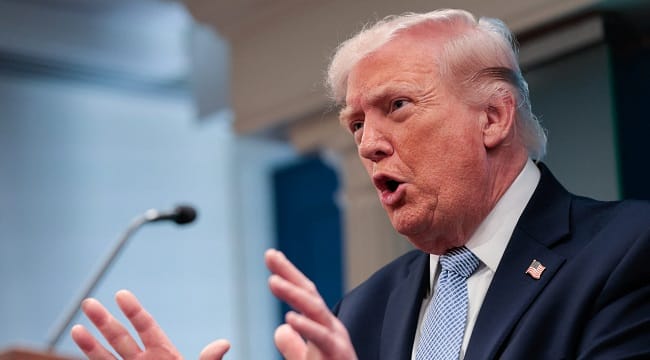
US President Donald Trump
The ruling represents another judicial setback for the Trump administration’s broader immigration agenda. For Nigerians, its immediate significance is that nationality alone can no longer serve as the basis for the blanket immigrant visa suspension challenged in the case.
The timing of resumed processing will depend on implementation of the judgment and any appeal or further action by the Trump administration.
US District Judge Jeannette Vargas, sitting in Manhattan, ruled on Friday that the policy exceeded the statutory authority of Secretary of State Marco Rubio and violated US immigration law.
The decision effectively removes the legal basis for a policy that had placed Nigerian immigrant visa applicants among nationals whose applications were suspended from January.
For Nigerians, the ruling is particularly significant because the measure was not limited to individual applicants who had failed specific immigration requirements. Instead, the policy categorically targeted nationals of 75 countries, including Nigeria, based on concerns that they could become a “public charge” by relying on public assistance in the United States.
The US Department of State had instructed consular officers to pause immigrant visa processing for applicants from the affected countries as part of a broader review of screening and vetting procedures.
The administration argued that immigrants from the designated countries presented a high risk of becoming dependent on US government resources.
Judge Vargas rejected that approach, ruling that US immigration law requires decisions on immigrant visa eligibility to be made through the statutory framework governing individual applications rather than through a blanket nationality-based suspension.
“The Policy, which categorically prohibits the issuance of immigrant visas based upon the nationality of the applicant, represents a direct abrogation of this statutory scheme,” Vargas wrote, according to the ruling reported by Reuters.
The judge also found that Rubio had exceeded his legal authority because Congress had assigned consular officers the responsibility and discretion to determine whether individual applicants were eligible for immigrant visas.
That point is central to the relief for Nigerians.
Under the policy overturned by the court, a Nigerian applicant could have faced a suspension of immigrant visa processing because of nationality even where the applicant otherwise met the relevant requirements.
The ruling means that nationality alone cannot serve as the basis for the blanket suspension imposed under the January directive.
Nigeria was one of the African countries affected by the policy. Other countries on the list included Ghana, Cameroon, Cape Verde, Egypt, Ethiopia, Gambia, Guinea, Liberia, Morocco, Rwanda, Senegal, Sierra Leone, Somalia and South Sudan, as well as countries across Latin America, Asia, the Middle East, the Caribbean and Europe.
The policy had created uncertainty for Nigerians with US-based relatives and for those pursuing employment-based immigration.
For families separated between Nigeria and the United States, the suspension potentially meant further delays in reunification. For employment-based applicants, it could disrupt relocation plans and professional opportunities.
However, Friday’s ruling does not mean that every Nigerian seeking to move to the United States has automatically been granted a visa.
Applicants must still satisfy the normal requirements for the relevant immigrant visa category, including eligibility, documentation, medical and security requirements. The judgment specifically targets the blanket suspension policy rather than the wider US immigration system.
The US government can also appeal the ruling, leaving open the possibility of another legal battle over the policy.
The case was brought by immigrant rights organisations, affected visa applicants and US citizens sponsoring relatives from the affected countries. Some plaintiffs said the policy had separated families, while others had employment-based petitions to enter the United States.
Rights groups welcomed the judgment, describing it as a victory for family reunification and the rule of law.
The ruling is the latest judicial setback to Trump’s wider immigration agenda, which has included restrictions affecting migrants and visa applicants from several countries.
For Nigeria, however, the immediate significance is more direct: a US court has removed a nationality-based barrier that had put Nigerian immigrant visa processing on hold.
The decision gives affected Nigerians a potential route back into the US immigration process, although the timing of any resumed processing will depend on the implementation of the judgment and any response from the Trump administration.
With the US government still able to appeal, the relief may not yet be final. But for Nigerian families, workers and prospective immigrants caught by the seven-month suspension, the ruling represents the clearest opening yet for their applications to move forward.