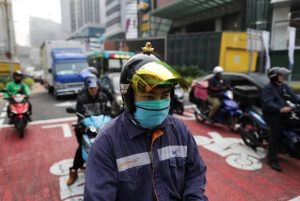



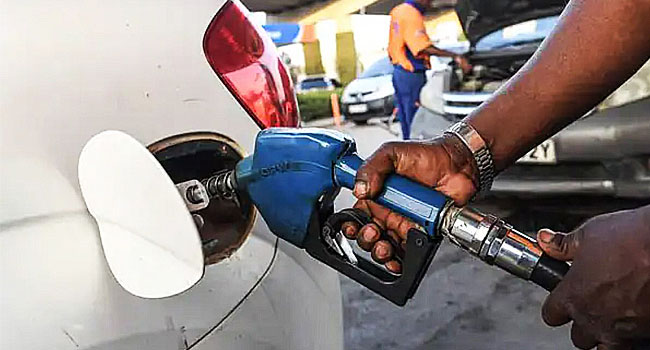
The Federal Government is defending its petrol price intervention, while organised labour is calling for broader measures to ease the rising cost of living.
The prices of petroleum products in Nigeria is a major concern among consumers.
1. Petrol discount: Government clarifies funding as opposition challenges 30-day relief
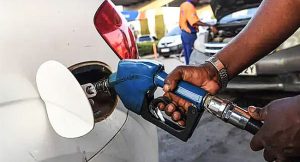
The Presidency has clarified that NNPC Retail will forgo its profit margin and sell petrol at cost for 30 days, rather than receive budgetary funding to subsidise the product.
Finance Minister Taiwo Oyedele insists the arrangement does not restore the abolished fuel subsidy. Former Vice-President Atiku Abubakar and the Nigeria Democratic Congress have questioned the intervention’s sustainability and whether its benefits will reach ordinary Nigerians.
Why it matters: The controversy now concerns both the financing of the discount and its effectiveness. A lower petrol price for commercial transport operators will not necessarily reduce passenger fares.
Watch: The actual discount per litre, participating filling stations, transport fares and what happens after the 30-day period.
2. Labour gives Federal Government 14 days to address petrol prices and wages
The Nigeria Labour Congress has reportedly issued a 14-day ultimatum demanding lower petrol prices and negotiations over a new national minimum wage. This follows recent industrial action by public-sector workers and growing pressure over living costs.
Why it matters: The petrol-price debate is developing into a broader industrial-relations issue. The government faces demands for immediate purchasing-power relief even as it maintains that economic reforms are producing longer-term benefits.
Watch: The government’s response to the ultimatum, possible negotiations, and whether labour announces further industrial action.
3. NYSC hostages reunite with families, but ransom controversy remains unresolved
The 20 prospective corps members abducted in Imo State have reunited with their families in Ibadan after seven days in captivity.
However, relatives maintain that ransom payments helped secure their freedom, contradicting the police account that pressure from security operations led to their release. The competing explanations have not been independently reconciled.
Why it matters: The victims’ return is welcome, but the unresolved accounts raise questions about the circumstances of their release and the accuracy of official information.
Watch: A detailed police account, verification of the families’ claims and progress in identifying and apprehending the kidnappers.
4. INEC begins voter-register verification and PVC collection
INEC has begun displaying the preliminary voters’ register and distributing PVCs from the first phase of Continuous Voter Registration.
The seven-day exercise runs from October 9 to 15, including weekends. Registered voters can check their personal details and submit corrections or objections. In Plateau State, the exercise runs daily from 9 a.m. to 3 p.m.
Why it matters: This is an important practical step towards the 2027 elections. It also provides an opportunity to identify registration errors before the final electoral preparations.
Watch: PVC collection figures, complaints about missing or incorrect records, and whether registration centres can accommodate demand.
5. Nigerian stocks lose ₦1.33 trillion as market sell-off deepens
The Nigerian Exchange recorded a decline of approximately ₦1.33 trillion in market capitalisation on Thursday, with its All-Share Index falling 0.82%.
Oil and gas shares were particularly affected, while banking and telecommunications stocks also recorded losses. The decline was not uniform across the market, with some consumer-goods and other shares gaining.
Why it matters: The sell-off is a significant short-term movement in equity valuations, although one trading session does not establish a sustained market downturn.
Watch: Friday’s market close, foreign and domestic investor activity, and whether losses extend beyond the oil and gas sector.
THE BIG PICTURE
Today’s developments bring two issues into focus: economic relief and institutional accountability.
The government is defending its petrol intervention while organised labour presses for broader action on living costs.
Meanwhile, the disputed NYSC release and the commencement of voter-register verification demonstrate the importance of transparent, verifiable public information.