



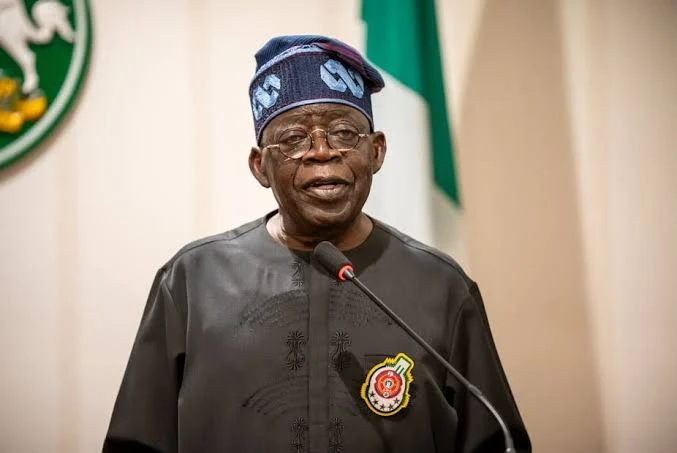
President Bola Tinubu. Photo: State House
President Bola Tinubu has said that civil society organisations are “co-architects of national development”, urging them to deepen collaboration with government in promoting transparency, accountability and sustainable development across Nigeria.
Tinubu, represented by the Secretary to the Government of the Federation, Senator George Akume, stated this on Wednesday at the opening of the National Civil Society Organisations Summit 2026 and Southern Civil Society Organisations Summit held at the Oriental Hotel, Lagos.
Speaking on the theme, “Nigeria First”, the President said the role of civil society had moved beyond activism, stressing that their contributions to national growth represented “patriotism in action”.
He said CSOs played critical roles during national emergencies, including the COVID-19 pandemic, and remained essential partners in responding to challenges such as flooding, climate change and public health crises.
“Your work is not restricted to activism against the government; it is patriotism in action for Nigeria,” Tinubu said.
According to him, the Nigeria First agenda was not about isolation but about ensuring that every policy, partnership and public investment prioritised the welfare and interests of Nigerians.
He said the summit aligned with the administration’s Renewed Hope Agenda and its eight priority areas, which include economic reform, national security, food security, infrastructure development, education, healthcare, industrialisation, digitalisation and improved governance.
Tinubu said civil society organisations were important partners in achieving these objectives, urging them to strengthen their contributions through budget tracking, community monitoring, data sharing, social accountability and independent assessments of government programmes.
The President identified food security, poverty reduction, improved governance and human capital development as key areas requiring closer collaboration between government and CSOs.
On food security, he called for climate-smart agricultural practices, protection of wetlands and restoration of mangroves, particularly as forecasts indicated possible prolonged rainfall and increased flood risks in Lagos and other southern states.
He also highlighted the potential of the blue economy, renewable energy and environmental services in creating jobs and expanding opportunities for young Nigerians and women.
Tinubu said a young Nigerian engaged in renewable energy, waste management, aquaculture or climate services was not only earning a livelihood but also contributing to the country’s future development.
He further emphasised the need for stronger partnerships in addressing climate-related health challenges, noting that flooding and extreme weather conditions had increased risks of diseases such as cholera and malaria.
The President maintained that his administration welcomed constructive criticism from civil society groups, describing accountability as necessary for effective governance and improved service delivery.
He, however, urged CSOs to embrace self-regulation and stronger internal governance systems to prevent unethical practices and protect the credibility of the sector.
Tinubu reaffirmed his commitment to structured engagement with civil society organisations across the country, expressing hope that the resolutions from the summit would provide practical solutions to Nigeria’s development challenges.