


The APC and Finance Minister Taiwo Oyedele say recent economic gains have strengthened Nigeria’s prospects of achieving President Bola Tinubu’s ambitious $1 trillion GDP target by 2030
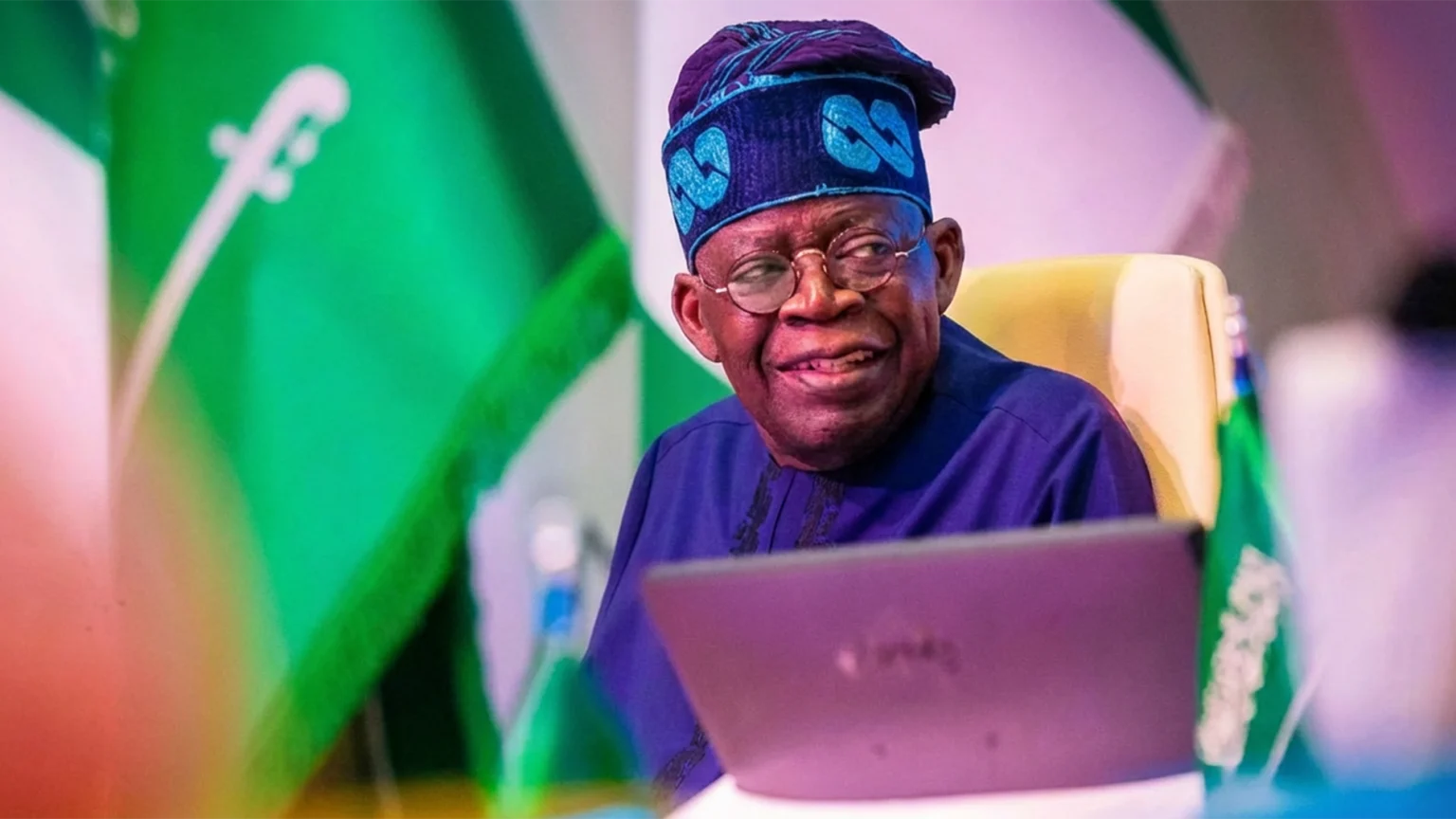
President Bola Ahmed Tinubu
N15tr savings vindicates Tinubu on subsidy removal, says Yuguda
With the President Bola Tinubu administration’s sight on building a $1 trillion Nigerian economy by 2030, the All Progressives Congress (APC) has declared that recent economic indicators show the country’s reforms are beginning to deliver greater stability and growth.
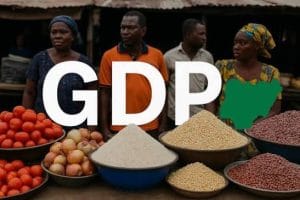
Also, the Minister of Finance and Coordinating Minister of the Economy, Taiwo Oyedele, concurred that recent economic gains strengthened the country’s prospects of achieving a $1 trillion Gross Domestic Product (GDP) by 2030.
This was as the Chairman, Board of Trustees (BoT) of the APC Professionals Forum, Dr Isa Yuguda, defended Tinubu’s removal of fuel subsidy, saying the policy reportedly saved the country more than N15 trillion and created additional fiscal space for the government to invest in critical sectors of the economy.
APC National Chairman, Prof. NentaweYilwatda, who represented Tinubu at the second Asiwaju Scorecard Series/Asiwaju Policy Roundtable in Abuja yesterday, said the administration was determined to move Nigeria “from economic uncertainty to stability, from stability to growth, and from growth to prosperity.”
Yilwatda said Nigeria’s gross external reserves had risen to about $52.7 billion by August 2026, while consolidated non-oil revenue increased from approximately N13.63 trillion in 2023 to N16.4 trillion in the first two quarters of 2026.
He also highlighted the country’s improved trade position, saying Nigeria moved from a merchandise trade surplus of about N44.8 billion for the whole of 2023 to approximately N7.54 trillion in the first quarter of 2026 alone.
According to him, real GDP grew by 4.43 per cent in Q2 of 2026, while inflation fell significantly from its earlier peak to about 15.4 per cent.
The APC chairman, however, acknowledged that the figures did not mean Nigeria’s economic challenges had disappeared, stressing that macroeconomic stability was only the foundation for achieving broader prosperity.
He said Tinubu’s $1 trillion economy target was not merely a numerical ambition but a national mission aimed at making Nigeria produce and export more, attract investment, create jobs and give young Nigerians a greater stake in the country’s future.
OYEDELE spoke in a statement via X yesterday, following the release of the Q2 2026 GDP figures.
According to the minister, the growth of the economy has become more broad-based, with 27 economic subsectors recording real growth above three per cent in Q2, compared with 23 subsectors in the corresponding period of 2025.
He said the improvement was reflected across major productive sectors.
“The productive sectors led the way. Manufacturing grew by 3.24 per cent, more than double the 1.60 per cent recorded in Q2 2025, reflecting improved industrial output. Agriculture expanded by 4.39 per cent, up from 2.82 per cent, underscoring stronger production and value-chain performance. Services, the largest driver of growth, expanded by 4.60 per cent, up from 3.94 per cent,” the minister said.
Pointing to the appreciation of the naira as a factor that increased the size of the economy when measured in US dollars, he said: “The naira appreciated by more than 12 per cent between H1 2025 and H1 2026, resulting in an expansion of the economy by approximately 17 per cent in United States (U.S.) dollar terms over the period.”
The minister said sustaining the trend alongside government social programmes could “meaningfully strengthen dollar incomes, improve purchasing power and lift millions of Nigerians out of poverty”.
Speaking further, Oyedele cited an International Monetary Fund (IMF) projection that placed Nigeria among the top 10 contributors to global real GDP growth in 2026.
“The IMF has already ranked Nigeria among the top 10 contributors to global real GDP growth in 2026, projecting the country to account for roughly 1.5 per cent of world growth this year, ahead of several advanced and emerging economies,” he said.
YUGUDA also spoke at the second APC Professionals Forum Policy Roundtable, organised under the theme, ‘Dissecting the Renewed Hope Deliverables and Achievements’.
At the event, which brought the administration’s reforms and policies under review as political parties and stakeholders begin preparations for the 2027 general elections, the former governor of Bauchi State said the removal of subsidy should be viewed against the historical weaknesses of the scheme, rather than solely through the immediate hardship associated with the policy.
He said his assessment was informed by his experience as chairman of the Fuel Subsidy Task Force in 2009, where he said the committee uncovered serious irregularities, fraudulent practices and financial leakages within the subsidy regime.
The subsidy system, he said, had become inefficient and was consuming huge amounts of public resources that could have been channelled into education, healthcare, security, agriculture, infrastructure and other productive areas.
Yuguda asserted that Tinubu demonstrated the political guts to implement a reform that previous administrations had acknowledged as necessary but had been unable to fully execute.
He said the policy subsequently provided governments at the federal, state and local levels with greater fiscal capacity to address critical national priorities.
The APC chieftain identified education as one of the areas receiving attention, citing the Nigerian Education Loan Fund (NELFUND), which he said was expanding access to higher education and reducing financial barriers for students.
He also pointed to increased funding for the security sector, improved operational support and investment in modern equipment as measures aimed at strengthening the capacity of the armed forces and other security agencies.