


Nigeria’s central bank is strengthening oversight of cash transactions as part of efforts to detect and prevent the movement of funds linked to terrorism and other illicit financial activities.
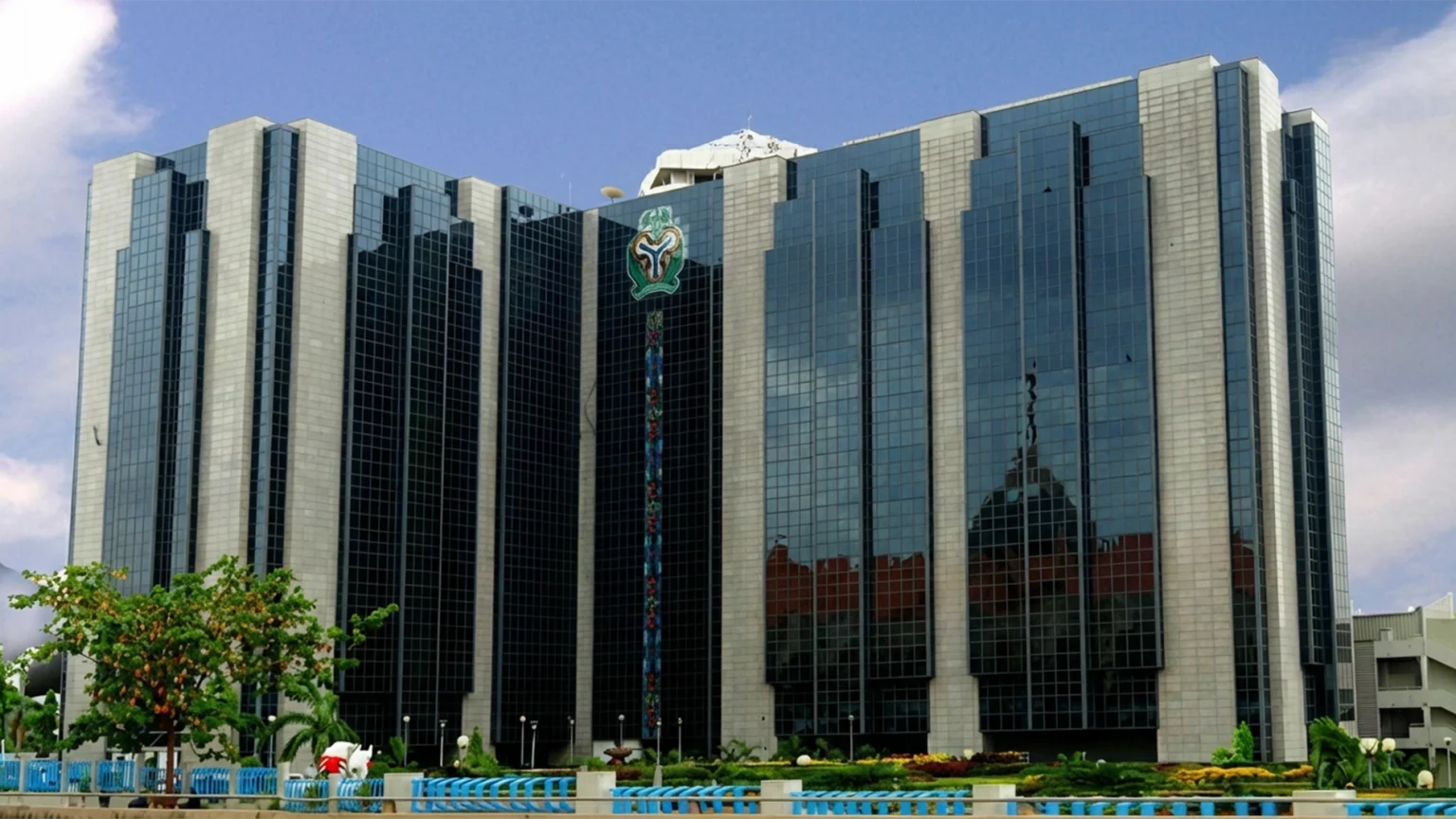
Central Bank of Nigeria headquarters, Abuja.
The Central Bank of Nigeria (CBN) has stepped up its supervision of banks and other financial institutions to prevent the country’s financial system from being exploited to fund terrorism and other illicit activities.
The apex bank said terrorism financing supervision is now one of its key priorities as it intensifies efforts to strengthen the integrity of the financial system.
In a statement, CBN’s Acting Director, Corporate Communications and Investor Relations Department, Hakama Sidi-Ali, said the enhanced supervision was part of the bank’s commitment to protecting financial institutions from abuse by illicit actors.
She said the supervisory framework would focus on four critical areas: how financial institutions identify and manage terrorism financing risks; monitor transactions for suspicious indicators; implement targeted financial sanctions; and report suspicious transactions linked to terrorism financing.
Sidi-Ali said the CBN would adopt a proactive, risk-based approach to supervision, rather than wait for breaches to occur.
Under the approach, she said, financial institutions considered to have greater exposure to terrorism financing risks would attract closer regulatory scrutiny.
According to her, the initiative would also strengthen Nigeria’s domestic and international cooperation in combating terrorism financing, proliferation financing and other threats to financial integrity.
“The supervisory focus also supports Nigeria’s ongoing domestic and international cooperation on counter-terrorism financing, counter-proliferation financing, financial integrity, and the protection of the financial system. Further supervisory engagement will be undertaken as appropriate,” she said.
Sidi-Ali added that the CBN would deploy both on-site and off-site examinations to assess the effectiveness of Anti-Money Laundering, Combating the Financing of Terrorism and Countering Proliferation Financing (AML/CFT/CPF) controls across the financial sector.
She said the measures would be implemented in line with existing laws and regulatory requirements, with further supervisory action to be taken where necessary.
The CBN’s latest move comes amid intensified efforts by Nigerian authorities to disrupt financial networks supporting terrorist organisations.
Under the Terrorism Prevention and Prohibition Act (TPPA) 2022, the Nigeria Sanctions Committee (NSC) recently designated six individuals and three entities as terrorist financiers and added them to the Nigeria Sanctions List.
The designated individuals are Babangida Muhammed Adamu Hammajam, Abdullahi Umar Usman, Ibrahim Abubakar, Adamu Chiroma, Muktar Muhammad Adamu and Yakubu Ogirima Ibrahim.
Hammajam was listed for alleged involvement in terrorism financing and support for the Islamic State West Africa Province (ISWAP), while Usman was listed for providing material support to a designated terrorist organisation through repeated financial transactions.
Abubakar was listed for alleged involvement in terrorism financing and membership of ISWAP.
Chiroma was listed for allegedly using Bureau De Change (BDC) operations and related corporate entities to facilitate the movement of funds linked to terrorist activities.
Muhammad Adamu was listed for allegedly providing financial support and facilitating transactions linked to the ISWAP Okene cell financing network.
Ibrahim was listed for allegedly providing material and financial support to the ISWAP Kogi cell.
The three entities designated by the NSC are Nine to Nine BDC Ltd (RC No. 1462752), Generation Currency BDC Ltd (RC No. 1555604) and Abbal Bako & Sons Bureau De Change (BN No. 2323328).
The entities were listed for allegedly facilitating or channelling funds connected to the ISWAP Okene financing network.
The CBN said its strengthened supervisory regime would complement wider national efforts to disrupt illicit financial flows and ensure that Nigeria’s financial system is not used as a conduit for terrorism financing or other criminal activities.