



confirming that the death rate among confirmed cases has climbed to 5.6 percent as the state battles a fresh surge in infections, particularly among children.
The Acting Executive Secretary of the Katsina State Primary Health Care Agency, Dr. Shaima’u Kabir Abba, disclosed the figures while briefing journalists on the outbreak. She revealed that only 15 patients were currently confirmed at the Federal Teaching Hospital, Katsina (FTHKT), even as the state grapples with a wider surge that has pushed suspected cases past 1,000 since the start of the year.
Abba attributed the mounting fatalities largely to late presentation, noting that many patients only seek hospital care after their conditions have deteriorated into severe complications, making treatment far more difficult and significantly raising the risk of death.
The outbreak has now spread to 29 of Katsina’s 34 local government areas, with Funtua recording the highest number of suspected cases, followed by Kankia, Bakori, Katsina, Mashi and Daura. Health officials say poor vaccination uptake, delayed presentation at health facilities and the state’s porous border with the Niger Republic remain major obstacles to containing the spread.
The situation at FTHKT paints an even starker picture than the state-wide figures suggest. The chairman of the hospital’s Medical Advisory Committee, Dr. Abdulfatah Muhammad Lawal, disclosed that about 150 patients with confirmed diphtheria have been admitted at the facility during the current outbreak, with 29 deaths recorded there alone.
Separately, the Chairman of the Nigerian Medical Association in Katsina State, Dr. Mohammed Abubakar, issued an even more alarming warning, stating that two to three out of every 10 patients admitted to FTHKT may die from the disease.
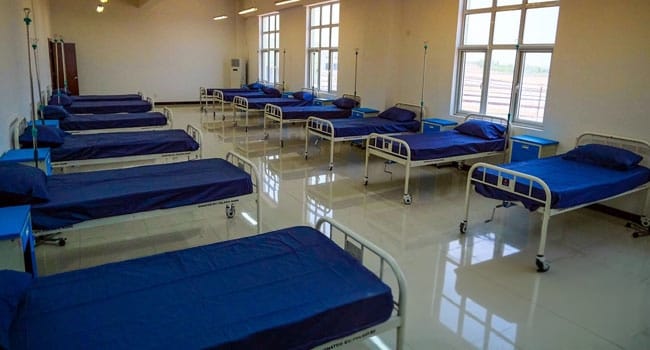
He disclosed that between 70 and 80 percent of the hospital’s isolation centre is currently occupied by diphtheria cases, with more than 80 percent of affected patients being children, and admissions sometimes climbing to 50 cases a week.
In response to the escalating crisis, the Katsina State government has ramped up its immunisation drive, vaccinating 67,670 people and securing an additional 650,000 doses of diphtheria-containing vaccines to strengthen protection in high-risk communities. Health officials continue to urge parents and caregivers to ensure children receive complete routine vaccinations, while appealing to residents to seek immediate medical attention at the first signs of symptoms such as sore throat, fever, difficulty swallowing or breathing, neck swelling, or a greyish membrane in the throat, rather than waiting until complications set in.