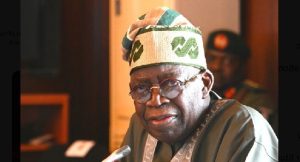



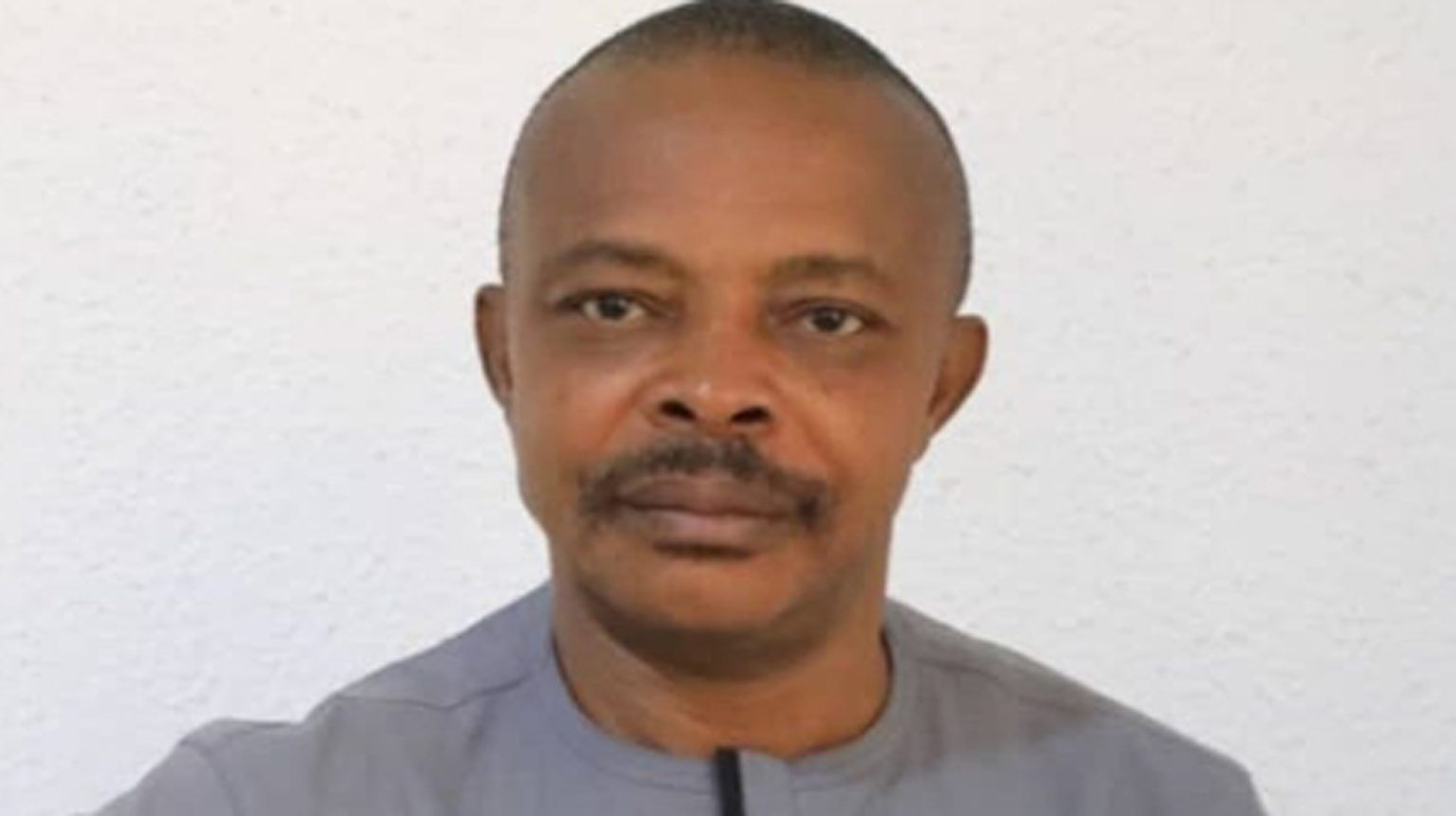
NLC President Joe Ajaero.
ActionAid, others decry poor minimum wage compliance in states
The Trade Union Congress of Nigeria (TUC) has rejected the Federal Government’s proposed N70,000 transport palliative, insisting that workers need an immediate salary increase and full implementation of the outstanding agreement with health workers to address the worsening cost of living.
The congress said temporary wage awards were neither sustainable nor
far-reaching, citing the failure to fully implement the 2023 wage award agreed upon by the government and labour.
But the National Secretary of the Joint National Public Service Negotiating Council (JNPSNC), Gbenga Olowoyo, accepted the N70,000 wage award, while reaffirming labour’s demand for a N500,000 minimum wage.
Meanwhile, ActionAid Nigeria and the Nigeria Labour Congress (NLC) have decried poor implementation of the N70,000 minimum wage in some states, with a recent assessment putting compliance at 67 per cent at the state level and 48 per cent at the local council level.
In a statement signed by its President, Festus Osifo, and Secretary General, Nuhu Toro, TUC urged the Federal Government to increase workers’ salaries without waiting for another negotiation.
TUC argued that the government faced no legal impediment in increasing salaries beyond the minimum wage, noting that some states had already raised their minimum wages above N100,000.
It maintained that the government could immediately raise the pay of its lowest-paid workers to N300,000, with appropriate consequential adjustments for other salary levels.
According to the TUC, the statutory minimum wage sets a wage floor, not a ceiling, allowing the government to improve workers’ earnings without waiting for a new minimum wage agreement.
TUC said it communicated its position to the Federal Government in a demand letter dated October 8, 2026, following a meeting of its National Administrative Council in Abuja.
“How can workers be expected to trust fresh promises when previous obligations remain outstanding?” the congress asked.
t called on governments at the federal, state and local council levels to introduce measurable interventions to reduce the cost of essential goods and services, ensure prompt payment of salaries and pensions, protect existing jobs and curb exploitative labour practices.
ON the new wage, Olowoyo said labour remained committed to the proposed wage, but was open to reasonable negotiations with the Federal Government to reach an agreement that would improve workers’ welfare.
He spoke during an interview on Arise News yesterday, following a meeting between organised labour and the Federal Government that lasted more than six hours to discuss workers’ welfare and measures to cushion the impact of rising petrol prices.
The labour leader, who welcomed the Federal Government’s agreement to provide workers with N70,000 transport support monthly for six months, beginning next month, described the intervention as a positive outcome of negotiations.
According to him, the agreement demonstrated the government’s willingness to address workers’ concerns, adding that labour expected the government to honour its commitment and implement the intervention as agreed.
“I think with what happened today – the negotiation that lasted over six hours – and with the outcome of the meeting, I think, it is a good omen,” Olowoyo said.
He explained that the transport support was designed to benefit workers at all levels, including those at the grassroots, following concerns over the increasing cost of transportation and the pressure of higher fuel prices on household budgets.
“The template of N500,000 is still subsisting. At the same time, if government is able to dance around N500,000, we would be alright to support the President. So, we are not going to be rigid, but reasonable,” he said.
ACTIONAID and NLC also called for immediate negotiations for a new minimum wage and a minimum pension, warning that rising inflation, fuel prices and the declining value of the naira have continued to erode workers’ purchasing power.
The findings were contained in a study on minimum wage and pension payment compliance in Nigeria, presented by the organisations in Abuja. The report indicated that although many states fully implemented or exceeded the N70,000 minimum wage, Zamfara and Yobe had yet to achieve full compliance at the local council level, particularly in schools.
It also identified evidence of partial compliance in Ondo, Imo, Edo, Bauchi and Kano, noting that discrepancies persisted in some local councils and private sector establishments, even in states where implementation had been recorded.
On pension payments, the assessment found that compliance with the Contributory Pension Scheme (CPS) remained inadequate, particularly in the organised private sector (OPS) and private schools.
It stated that compliance with the Pension Reform Act 2014 was fully operational in the public sector but fell below 20 per cent in the OPS and stood at about 70 per cent in private schools.
The report further revealed that although the 36 states and the Federal Capital Territory (FCT) received N5.36 trillion in 2024, many were unable to offset their pension and gratuity liabilities, estimated at N626.8 billion.
Speaking at the presentation of the report, NLC President, Joe Ajaero, said negotiations for a new minimum wage should begin immediately to allow sufficient time for discussions before the next review becomes due in April.
He noted that the 2024 National Minimum Wage Act increased the minimum wage from N30,000 to N70,000 and reduced the review cycle from five years to three years without changing the implementation date.
Earlier, ActionAid Nigeria Country Director, Andrew Mamedu, said poor implementation remained one of the major challenges associated with minimum wage adjustments in the country.
Mamedu said the organisation collaborated with the NLC to assess compliance across states and local councils and examine lessons from the 2024 wage adjustment ahead of the next negotiations.
He insisted that the N70,000 minimum wage applied to workers on Grade Level One, Step One, while consequential adjustments were expected to maintain appropriate salary differences across other grades and steps.