


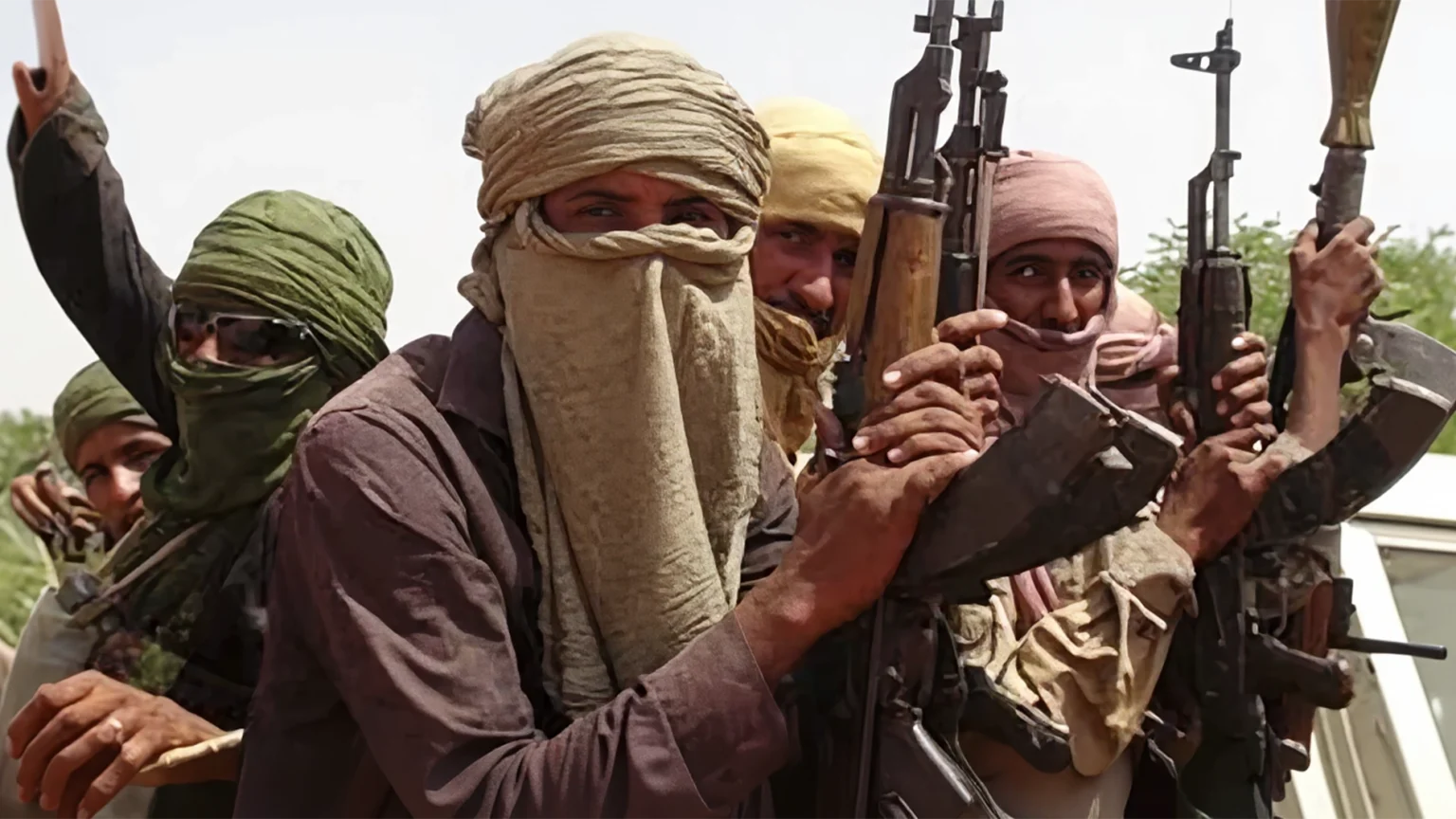
A coalition of more than 80 citizen groups has called for the immediate scrapping of the Federal Government’s Disarmament, Demobilisation and Reintegration programme for repentant terrorists, arguing that the initiative has failed to curb escalating violence across the Middle Belt.
Terrorist
• Urge return of displaced families to communities
• Reject FG’s grazing reserves plan
• ‘Muslim-Muslim ticket, a repudiation of Nigeria’s pluralism’
A Coalition of over 80 citizen groups, under the aegis of Middle Belt Concern, has called for the immediate scrapping of government’s Disarmament, Demobilisation and Reintegration (DDR) programme for repentant terrorists
It said that the policy had failed to curb violence in the Middle Belt and should be replaced with tougher measures to deter would-be attackers.
The groups maintained that the ongoing attacks on communities across the Middle Belt amount to genocide, rejecting descriptions of the violence as mere farmer-herder clashes or as a consequence of the Muslim-Muslim presidential ticket adopted by the current administration, describing it as a repudiation of Nigeria’s pluralism and a threat to the religious balance that has helped to sustain national unity.
In the same vein, the coalition also rejected the Federal Government’s newly announced plan to allocate land across the Middle Belt and other parts of Nigeria for grazing reserves, saying that the priority should be the immediate return of internally displaced persons to their communities.
The groups, however, rejected Concern, Ier Jonathan-Ichaver, while speaking, yesterday, during a media briefing theme: “Voice, Vision, and Justice: Navigating the Middle Belt’s Future in the Nigerian Federation” in Lagos, said that the current insecurity challenge in the region was a testament that government at every level has failed in its first constitutional duty — to protect life.
“For over a decade, our people in Benue, Southern Kaduna, Kogi, Kwara, Plateau, and across the Middle Belt have buried their dead, fled their farms, and watched a government treat mass atrocity as a footnote. That era of polite appeals is over,” she stated.
She stated that ongoing crisis is not a mere clashes, adding that the commonly used descriptions of the violence as farmer-herder or communal clashes were misleading and risked obscuring the nature and scale of the crisis.
Also, the Co-convener, Marie Ene Orgah, said the continued failure to return internally displaced persons to their communities underscored the Federal Government’s lack of seriousness in tackling the crisis, saying that the ineffectiveness in curbing insecurity in the region is emboldening terrorists to press on with their attacks.
Similarly, a human rights activist and journalist, Stephen Kefas, urged international bodies, including the United Nations (UN), to recognise the situation in the region as genocide under the UN Convention, saying that waiting until entire villages of hundreds of people are wiped out before applying the term is unacceptable.
According to him, when you hear that 30 people were killed, the attackers did not go there to kill only 30. When you have 200 armed men, well armed with AK-47, AK-49 and sometimes RPGs attacking a small farming community of about 500 people, that is not a random clash. They did not go there to kill just 30. Yet, somehow, they often end up killing relatively small numbers.
Kefas described the uprising in the region as a carefully orchestrated campaign against the people of the Middle Belt.
Gloria Mabeiam Ballason, founder of House of Justice, an organisation that provides legal representation and psychosocial support to victims in Kaduna and other parts of the Middle Belt, also criticised the Federal Government’s non-kinetic security strategy, including its disarmament, demobilisation and reintegration programme, saying there was no comparable national policy for victims of violence.
According to her, victims lack adequate support for resettlement, healthcare, psychosocial care and economic recovery.
She added that many displaced communities had lost their homes, relatives, jobs and access to farmland.