


A growing split within Asian football has intensified after Asian Football Confederation (AFC) president Sheikh Salman bin Ebrahim Al-Khalifa hit back at Qatar’s criticism of the confederation’s decision to join UEFA and CONCACAF in calling out FIFA president Gianni Infantino.
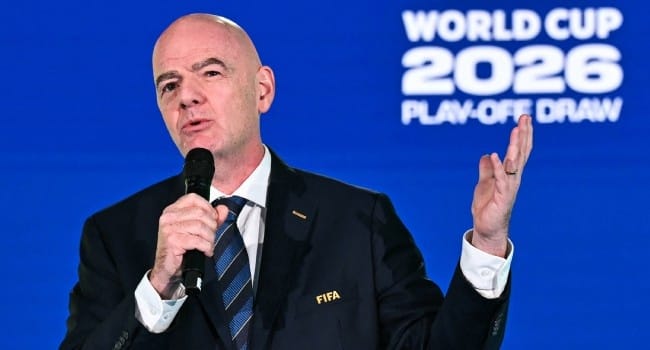
The dispute erupted after the Qatar Football Association (QFA), led by Hamad bin Khalifa Al-Thani, questioned why it was not consulted before the AFC joined a joint statement criticising Infantino and his controversial proposal to bring private investment into FIFA competitions.
The joint statement, issued by the AFC, UEFA and CONCACAF, followed Infantino’s decision to abandon plans to create a commercial structure that would have allowed private investors to acquire a stake in FIFA’s commercial rights, including those linked to the World Cup.
The confederations criticised the proposal and called for greater accountability over FIFA’s leadership, adding pressure on Infantino ahead of the 2027 FIFA presidential election.
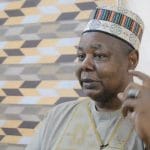
Qatar, however, has taken a different position. QFA president Hamad bin Khalifa Al-Thani said neither he nor the association had been consulted about the AFC’s decision and questioned whether the confederation’s president had the authority to speak on behalf of all 47 AFC member associations.
Several Arab football associations have also backed Infantino, exposing divisions within the Asian football community. Qatar, Morocco, Egypt, Mauritania, Lebanon and Sudan have publicly expressed support for the FIFA president, praising his contribution to the development and global reach of the sport.
In response, Sheikh Salman rejected suggestions that he had acted beyond his authority. He said his participation in the joint statement was within the mandate granted to him by the AFC constitution and argued that remaining silent on issues affecting Asian football would have been inconsistent with his responsibilities.
The AFC chief also criticised Qatar’s position, accusing the QFA of focusing on procedural objections rather than the wider interests of Asian football. He warned that such disagreements could further fracture unity within the confederation.
The confrontation adds another layer to the growing global crisis surrounding Infantino. UEFA, AFC and CONCACAF have emerged as major critics of his leadership, while the Confederation of African Football (CAF), CONMEBOL and several Arab associations remain supportive.
With the FIFA presidential election scheduled for March 2027, the increasingly public divisions could have significant implications for Infantino’s bid for another term and for the balance of power within world football.