


A civil society group, the Civil Society for the Eradication of Tuberculosis in Nigeria (TB Network), has urged the Federal Government to release the N72.5 billion ($54 million) pledged for tuberculosis (TB) medicines and diagnostics, following nationwide stock-outs that threaten treatment and prevention efforts.
The group warned that shortages of essential medicines, delayed funding and persistent stigma could reverse gains made in the fight against the disease, exposing patients to prolonged illness, drug resistance, increased transmission and preventable deaths.
Speaking at a journalists’ training on drug-resistant tuberculosis (DR-TB) coverage organised by the group’s COMBAT DR-TB Project in Abuja, its National Coordinator, Olayide Akanni, said patients diagnosed with TB were struggling to access treatment, while people exposed to the infection could not obtain preventive medication.
She disclosed that three essential TB medicines were out of stock nationwide, with some states experiencing inadequate supplies for almost two months. Available stocks, she warned, might not last until December.
According to her, medicines distributed to states were insufficient to meet the needs of newly diagnosed patients, leaving health workers unable to guarantee immediate treatment despite the availability of diagnostic services.
Akanni also raised concerns over shortages of tuberculosis preventive treatment (TPT), which protects people exposed to the disease, particularly household members and close contacts of infectious patients.
She explained that the absence of both treatment and preventive medicines could increase transmission, as exposed individuals might develop the disease without receiving timely intervention.
Akanni said the Federal Government must account for the $54 million reportedly pledged for TB medicines and diagnostics in 2025, alleging that despite an announcement by the Federal Executive Council around June or July that the funds had been released, the agencies responsible for procuring the commodities had yet to receive the money.
“One year down the line, the funds have not come. The drugs have not been procured,” she said, urging the Ministry of Health and Social Welfare to explain the status of the commitment, procurement arrangements and expected delivery timeline.
She warned that the funding delay was particularly troubling as international development partners increasingly demanded greater domestic ownership of public health programmes. “The funding climate is changing rapidly. International partners are saying, ‘Own your response,’ and the government needs to take ownership of the TB response,” she said.
Akanni noted that Nigeria would face questions about its commitments at an upcoming Stop TB Partnership meeting, insisting that the country must demonstrate concrete action rather than rely on funding announcements. “The major issue now is that we don’t have drugs. We risk an epidemic if the drug situation is not addressed. We are losing a lot of lives unnecessarily because of TB, and we need to change that narrative,” she said.
She urged journalists to investigate the reported shortages, track government spending commitments and highlight the experiences of affected patients.
Also, Akanni identified stigma as another obstacle to TB control, particularly for people diagnosed with drug-resistant tuberculosis. She said discrimination could discourage patients from seeking diagnosis, accessing treatment or informing close contacts about their condition, thereby increasing transmission.
“There is still a lot of stigma around tuberculosis in Nigeria. When people have drug-resistant tuberculosis, the stigma is much higher. We need to address this through our reporting and communication,” she said.
She urged journalists to adopt responsible reporting practices that correct misconceptions and avoid portraying patients as threats to society, stressing that TB is preventable and curable with appropriate treatment.
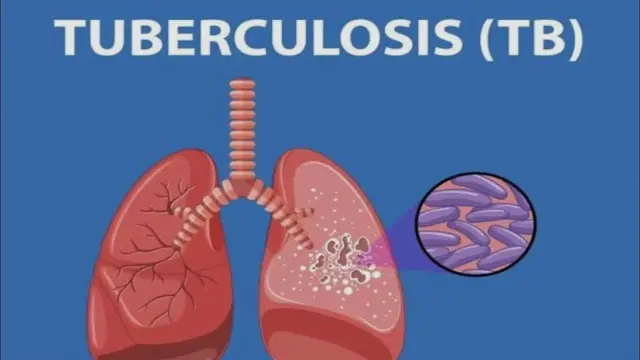
Also speaking, a pulmonologist and Head of Training Department, National Institute of Public Health and Infectious Diseases, Zaria, Kaduna State, Dr Eunice Jiya-Chitumu, said tuberculosis is caused by Mycobacterium tuberculosis and primarily affects the lungs.
She identified malnutrition, HIV, diabetes and other conditions that weaken the immune system as risk factors for the disease.
Citing the World Health Organisation’s (WHO) 2025 TB report, Jiya-Chitumu said Nigeria was among eight countries accounting for about two-thirds of global TB cases.
She disclosed that Nigeria recorded an estimated 510,000 new cases annually, including 61,000 among children, while 62,000 people died from the disease in 2024, comprising 56,000 without HIV and 5,800 with HIV.
She put the country’s TB incidence at about 219 cases per 100,000 people in 2024, noting that there had been no significant decline since 2015. About 71 per cent of TB patients and their households, she added, faced catastrophic costs associated with diagnosis and treatment.
On drug-resistant TB, she explained that the disease spreads through the air like ordinary TB and could affect people who had never received treatment.
She identified acquired resistance, which develops when patients interrupt treatment, take incorrect doses or receive poor-quality medicines, and transmitted resistance, which occurs when people contract an already resistant strain.
Jiya-Chitumu said both forms were often linked to health system failures, including drug stock-outs, poor prescribing practices and inadequate treatment monitoring. She stressed that both drug-susceptible and drug-resistant TB were curable.
Also, the DR-TB Programme/Technical Officer, National Tuberculosis, Leprosy and Buruli Ulcer Control Programme, Dr Adebayo Ekosanmi, said WHO data showed that 390,000 people developed multidrug-resistant or rifampicin-resistant TB worldwide in 2025, but only 42 per cent were enrolled in treatment.
He stressed the need to improve access to diagnosis and treatment to prevent further transmission and deaths.