


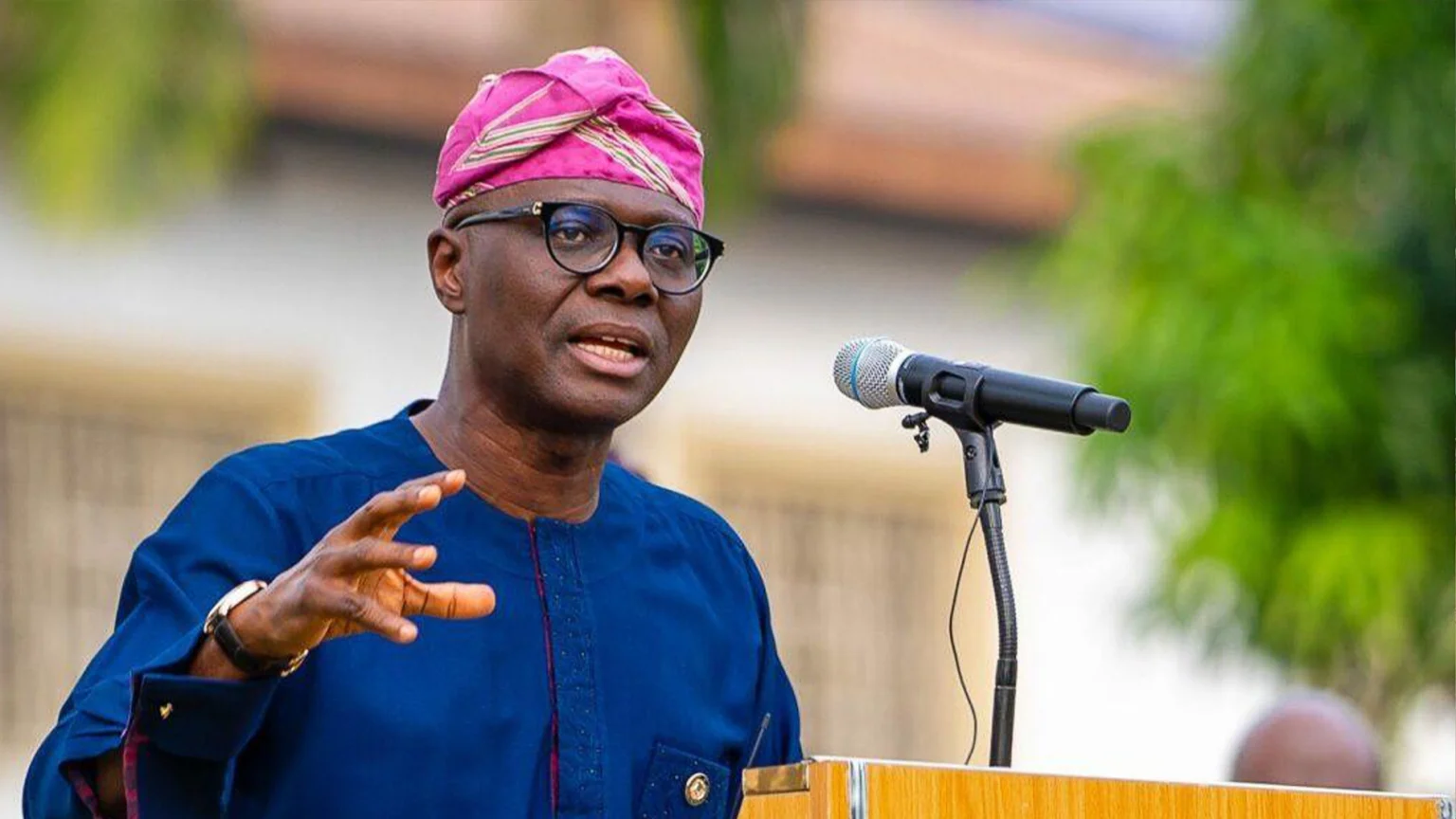
Lagos State Governor Babajide Olusola Sanwo-Olu
A comprehensive teaching and learning reform is imperative in Nigerian universities to reflect the realities of Artificial Intelligence (AI) and the changing demands of the global workforce, Lagos State Governor, Babajide Sanwo-Olu, and the Vice-Chancellor of the University of Lagos (UNILAG), Prof. Folasade Ogunsola, have said.
Making the call at the opening ceremony of the UNILAG International Week, themed: ‘Re-imagining Pedagogy and Teaching for Higher Education in the 21st Century’, Sanwo-Olu said universities must depart from teaching methods that emphasise memorisation and embrace approaches that build critical thinking, problem-solving and adaptability in students.
Also, the Minister of Education, Dr Tunji Alausa, emphasised the importance of transnational education, citing the partnership between UNILAG and the University of Birmingham in the United Kingdom.
Represented by a director in the Federal Ministry of Education, Mrs Elizabeth Ogundipe, Alausa said the collaboration was a strategic step towards strengthening Nigeria’s competitiveness in the global knowledge economy, adding that the transnational education model could help retain talent within the country while giving students access to international quality education.
For her part, Ogunsola charged African universities to urgently review their teaching methods, noting that traditional lecture-based instruction centred on recalling facts was no longer sufficient to prepare students for a technology-driven economy.
She noted that the rapid advancement of AI has forced universities to rethink how they teach, assess and certify learning.
Tracing the institution’s recent themes, Ogunsola recalled that UNILAG focused on global connectivity in 2019, inclusive digital transformation in 2024, and equitable AI data frameworks in 2025, adding that AI has now become central to classroom activities.
The governor, represented by the Commissioner for Tertiary Education, Tolani Sule, urged the higher institutions to go beyond producing graduates who look for jobs to training graduates who can create jobs and solutions.
According to him, the transition requires a shift to research-driven learning, stronger interdisciplinary collaboration, and closer partnerships among universities, government, and industry.
Sanwo-Olu noted that while digital platforms have expanded access to education, technology should complement, not replace, human judgement, ethical values, and personal interaction in the teaching process.
He also called for deliberate efforts to ensure equitable access to digital tools so that students are not disadvantaged by their economic backgrounds.
Sanwo-Olu further urged universities to adopt global best practices while developing local capacity to generate homegrown solutions rather than depending entirely on imported knowledge.