



President Trump tried to ban birthright citizenship for the children of undocumented immigrants and some temporary foreign visitors.
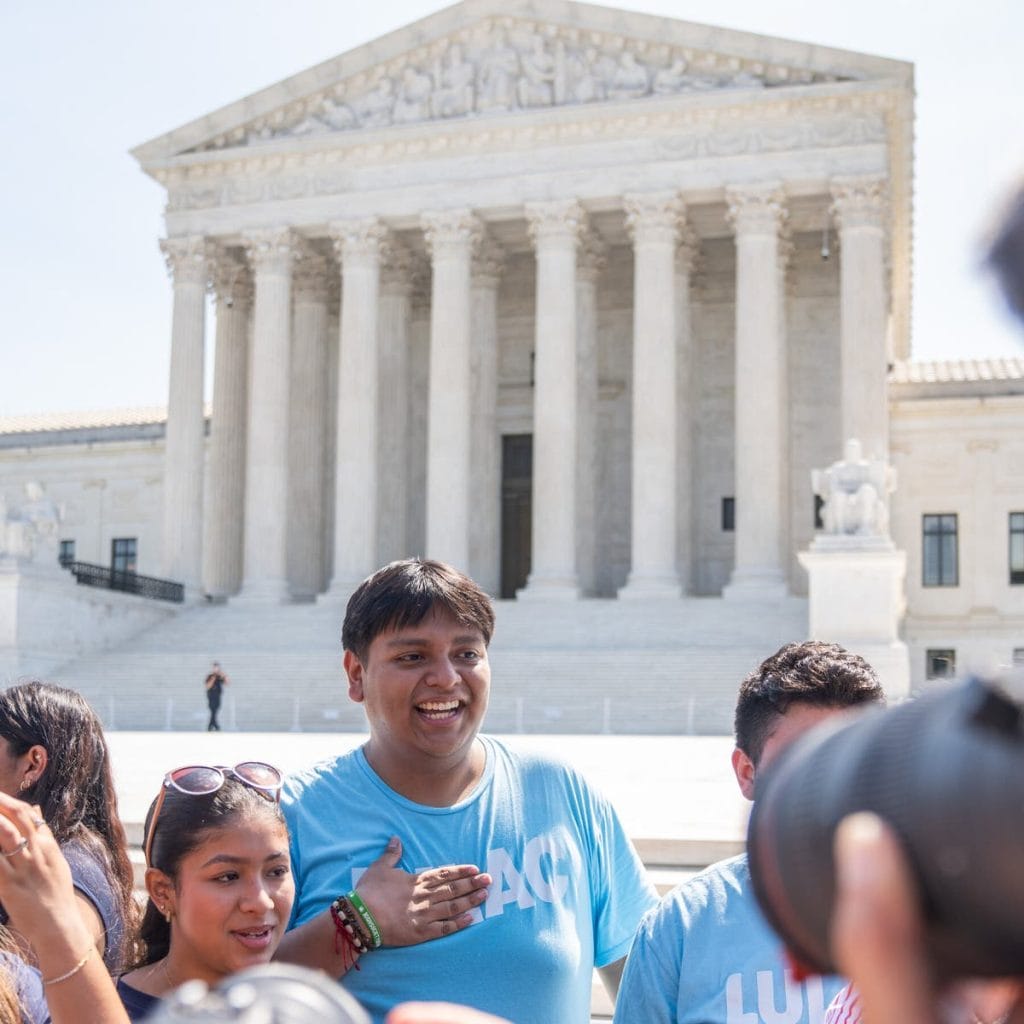
Members of League of United Latin American Citizens gathered on Tuesday outside the Supreme Court after the justices released their decision on birthright citizenship.Credit…Allison Robbert for The New York Times
Here’s the latest.
The Supreme Court rejected President Trump’s attempt to end birthright citizenship, and the justices reaffirmed the long-held principle that nearly all children who are born on U.S. soil are American citizens.
Mr. Trump’s executive order had aimed to prevent babies born to undocumented immigrants and temporary foreign residents from automatically becoming Americans. Chief Justice John G. Roberts Jr., writing for the majority, explained that Mr. Trump’s executive order violated the 14th Amendment of the Constitution.
Some immigrants who had been anxiously awaiting the decision said the ruling gave them a renewed sense of optimism about building their lives and raising families in the U.S.
“As an immigrant, I am overjoyed that the Supreme Court upheld birthright citizenship today,” said Maria Brossi Andreote, a Brazilian microbiologist who came to the United States on a temporary work visa with her husband in 2019.
They have since had a daughter, and the couple and their Brazilian-born older child, a boy, have received their green cards.
“It’s a reminder that we also belong here,” said Ms. Andreote, a researcher at Penn State University
In a virtual news conference, groups representing the babies who would have been subjected to President Trump’s executive order stressed the ruling reaffirmed the nation’s commitment to equal citizenship and national belonging. Cody Wofsy, the deputy director of the A.C.L.U. Immigrants’ Rights Project, quoted from mothers in the case. One woman said this Fourth of July would “feel even more special,” he added.
In the hours since the Supreme Court’s ruling, some Senate Republicans have already urged Congress to pass legislation or a constitutional amendment to end birthright citizenship. But voting on such a measure, even just to placate President Trump, would carry severe political risks for Republican lawmakers, who are already worried about losing their narrow majority in both the House and Senate.
Polls show that most Americans support the right to birthright citizenship, including about 40 percent of Republicans. Such a vote could also risk the inroads that Republicans have made with Hispanic voters, as Latino Republicans have historically been more supportive of birthright citizenship.
With just over four months until November’s midterm elections, many Republicans will be loath to take a vote that might anger broad swaths of the electorate that could be crucial to the control of Congress.
What to know about the Supreme Court’s birthright citizenship order.
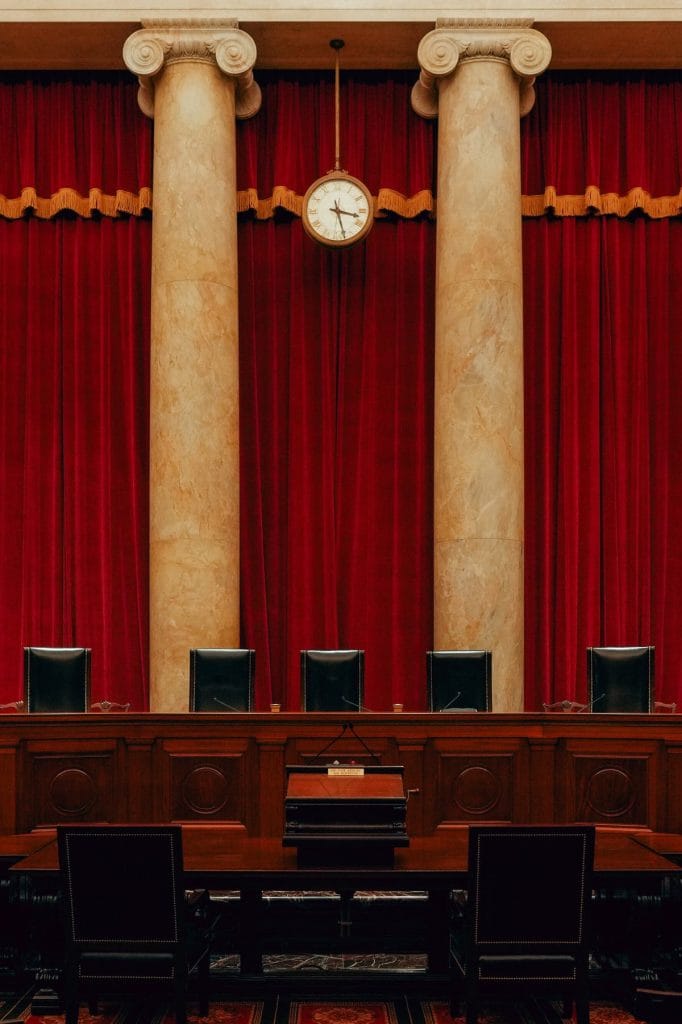

The Supreme Court on Tuesday struck down the Trump administration’s executive order limiting the right to automatic citizenship for babies born in the United States.
Civil rights leaders and immigrant rights organizations lauded the 6-to-3 decision, saying it affirmed more than a century of legal precedent and the nation’s long-held values. But they warned the fear instilled by the Trump administration’s targeting of immigrants would linger.
Immigration hard-liners denounced the Supreme Court ruling, arguing the Trump administration’s aggressive enforcement against those in the country unlawfully was more justified and urgent than before.
Kevin Roberts, president of the Heritage Foundation, a conservative think tank, described it as “a tremendous betrayal of the republic” that lessened the value of American citizenship. He also previewed what could be the next move for Republican opponents: He called for a constitutional amendment to correct it.
Here’s what to know.
How did we get here?
Birthright citizenship, which is rooted in common law, has been guaranteed by the 14th Amendment to the Constitution for more than 150 years.
President Trump has long promised to restrict the right, blasting it as a “scam” that attracts migrants. On the first day of his second term, Mr. Trump signed an executive order that aimed to end birthright citizenship for the U.S.-born babies of unauthorized immigrants and foreign residents with temporary legal status. These included tourists and students on visas.
Immigrant and civil rights organizations and more than 20 states, as well as the District of Columbia, challenged the order in at least four major lawsuits. Those led to lower court orders that blocked the restrictions from taking effect nationwide.
The case before the Supreme Court is rooted in a class-action lawsuit named Barbara v. Trump. It was filed in New Hampshire to protect the rights of all children born in the United States.
What is the immediate impact?
The executive order is now null and void. States can continue issuing birth certificates as they have been.
Parents will see no changes or extra legal hurdles when applying for birth certificates, passports or Social Security numbers. A U.S. birth certificate will continue to be proof of citizenship for any child.
According to the Pew Research Center, there are more than six million people born in the United States who live with at least one unauthorized immigrant parent. That number includes about 4.6 million children under 18 and about 1.4 million U.S.-born adults.
Deborah Fleischaker, a former Homeland Security official now with the Latino group UnidosUS, called the decision “a huge relief.” Policy experts had warned that the order risked creating a permanent underclass of stateless children, barred from citizenship in the United States and potentially rejected by their parents’ home countries.
potentially rejected by their parents’ home countries.
What is the political fallout?
Most Americans support automatic citizenship for those born on U.S. soil, according to a New York Times analysis of polling. That includes a vast majority of Democrats and about 40 percent of Republicans.
The ruling quashes one of the most expansive parts of the Trump administration’s immigration agenda, and could prompt calls from Republican lawmakers for a constitutional amendment to restrict the right. That would be a legislative fight with significant hurdles.
In Washington, the House speaker, Mike Johnson, groaned when reporters alerted him to the Supreme Court’s birthright citizenship ruling. He told them he needed to read the opinion but argued the right had been “grossly abused in recent years.”
“I’m very disappointed in that outcome,” he said, adding that it would result in “serious challenges going forward” that Congress would need to find a way to address.
Immigration scholars said that while Mr. Trump lost on Tuesday, his administration was nonetheless fundamentally reshaping immigration policy. The ruling was just one setback among more than 700 immigration restrictions imposed since Mr. Trump started his second term.
The Supreme Court just last week ended temporary humanitarian protections for more than 350,000 Haitians and Syrians, setting in motion what some legal scholars are calling the largest “de-documentation” of immigrants in modern history.
“Despite this seemingly historic loss, the Trump administration is winning its war on immigrants,” said Stephen Yale-Loehr, an immigration scholar at Cornell University. “As a result, the United States has net-negative migration for the first time in 50 years, fewer international tourists are visiting, and U.S. companies cannot hire the workers they need.”
After attempting to downplay his loss in the Supreme Court’s birthright ruling, President Trump on social media congratulated President Xi Jinping of China on the country’s “massive Birthright Citizenship WIN!”, an apparent reference to an argument he made in recent months that birthright citizenship had been abused by “Chinese billionaires” who were taking advantage of a right that was created for the “babies of slaves.”